2026 How to Choose the Best Exterior Cladding Panels?
When it comes to choosing the best exterior cladding panels, several factors come into play. Industry expert Mark Thompson, who specializes in building materials, once stated, "The right cladding can transform a building's entire appearance and performance." This insight highlights the importance of making an informed choice in cladding materials.
Exterior cladding panels not only enhance a building's aesthetics but also affect energy efficiency and durability. Selecting the wrong type can lead to costly repairs and maintenance down the line. Therefore, understanding the different options available is crucial for property owners.
Many people underestimate the long-term impact of their decisions. Not all materials provide the same level of insulation or weather resistance. Engaging with professional advice and considering environmental factors can significantly improve outcomes. Reflecting on these aspects allows for a more mindful selection process in the realm of exterior cladding panels.
Understanding Exterior Cladding Panels: Types and Materials
Exterior cladding panels play a pivotal role in the aesthetics and performance of a building. They can enhance insulation, fire resistance, and moisture protection. When it comes to types and materials, there is a vast selection available. Understanding the differences aids in making informed choices.
Common materials include wood, metal, vinyl, and brick. According to a recent report by the U.S. Department of Energy, over 40% of energy loss in buildings occurs through walls. Therefore, selecting energy-efficient cladding is crucial. For instance, insulated metal panels can significantly reduce energy consumption. Vinyl siding, while affordable, may lack durability compared to brick or stone, which can weather the climate better.
Sustainability is another aspect to consider. Many consumers prefer eco-friendly materials. A study indicated that buildings with reclaimed wood siding report a 20% increase in market value. However, it's essential to verify the sustainability claims. Some manufacturers may exaggerate their environmental benefits. Evaluating certifications can guide buyers toward more trustworthy options. Balancing aesthetics, durability, and sustainability is challenging but vital for optimal building performance.
Evaluating Aesthetic Factors in Exterior Cladding Choices
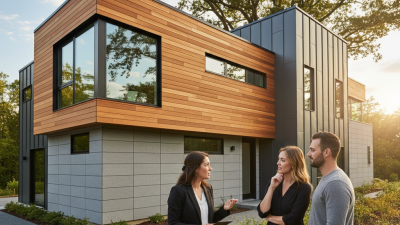
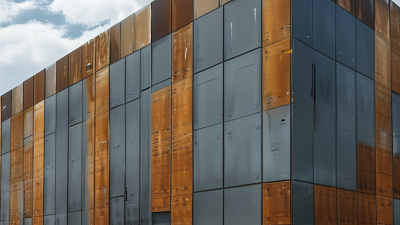
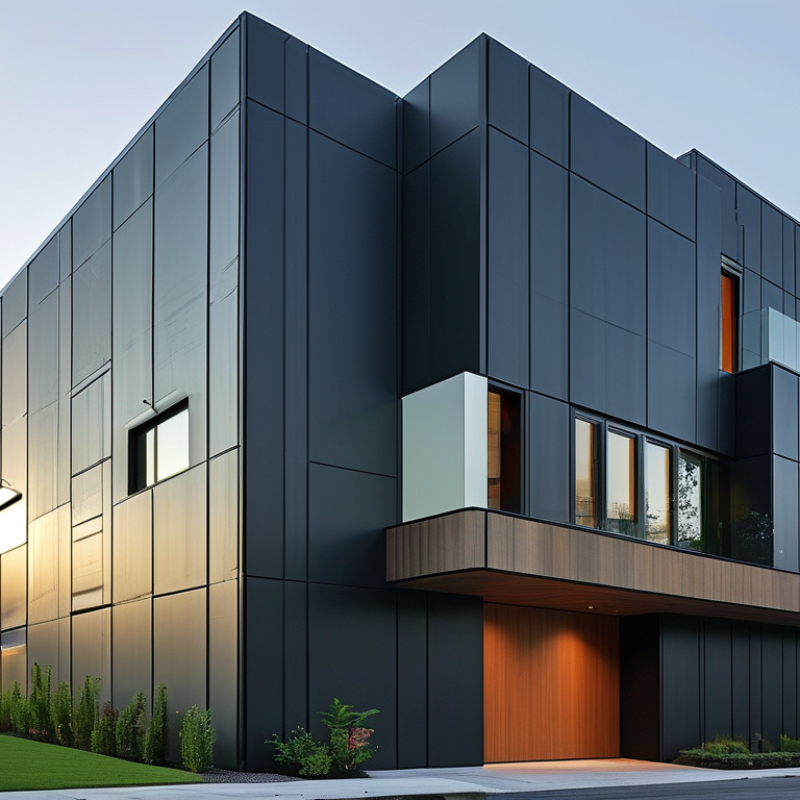
Choosing the right exterior cladding panels involves understanding aesthetic factors that significantly influence the overall design. According to industry research conducted by the Building Materials Association, 75% of homeowners prioritize the appearance of their home facade. This highlights the need to evaluate how different materials and styles can elevate a property’s visual appeal. For instance, wood and stone finishes often evoke warmth and durability, while metal panels can impart a sleek, modern look.
Color is another crucial element. A study by the Design Institute showed that homes painted in neutral tones attract more buyers, increasing perceived value. However, opting for bold colors may create a unique identity. This choice must be balanced with neighborhood aesthetics to avoid looking out of place. Additionally, textures play a critical role in aesthetic value. Textured panels can add depth, making a flat surface appear more dynamic.
Homeowners should also reflect on how quickly trends change. A popular look today may seem outdated in a few years. For example, minimalism has gained traction but might not suit every homeowner's taste. Evaluating personal style against lasting trends can prevent costly redesigns in the future. Balancing current aesthetic desires with practical longevity is essential in making informed cladding choices.
Assessing Durability and Maintenance Requirements for Cladding
When selecting exterior cladding panels, durability and maintenance matter greatly. According to a report from the National Association of Home Builders, nearly 80% of homeowners prioritize low-maintenance materials. This need stems from the desire for longevity and reduced upkeep costs. Materials like fiber cement and brick can last over 50 years, while wood might require treatment every few years to combat rot and pests.
Understanding local climate impacts is also essential. For instance, in coastal areas, cladding materials face challenges from humidity and salt exposure. A study from the American Institute of Architects highlighted that homes in these regions are better off with materials like vinyl or engineered wood, which resist moisture better than traditional options. Yet, some homeowners find these materials less visually appealing and may overlook potential drawbacks.
Careful consideration of aesthetics versus practicality is key. Homeowners often reflect on initial costs versus long-term savings. While high-quality materials might require more upfront investment, they can pay off by reducing repair frequency. This reflection on balancing personal style with practical needs can lead to smarter, more sustainable choices in exterior cladding.
2026 How to Choose the Best Exterior Cladding Panels? - Assessing Durability and Maintenance Requirements for Cladding
| Cladding Material |
Durability (Years) |
Maintenance Frequency |
Weather Resistance |
Fire Rating |
| Vinyl |
20-40 |
Every 3-5 years |
Excellent |
Class C |
| Fiber Cement |
30-50 |
Every 10 years |
Excellent |
Class A |
| Wood |
15-30 |
Every 2 years |
Varies |
Class C |
| Metal |
40-70 |
Every 5-10 years |
Excellent |
Class A |
| Brick |
50-100 |
Every 10-15 years |
Excellent |
Class A |
| Stucco |
30-50 |
Every 5-7 years |
Good |
Class A |
Considering Energy Efficiency and Insulation Properties
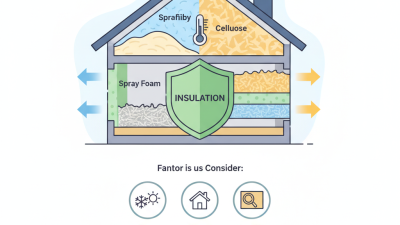
Choosing exterior cladding panels involves understanding energy efficiency and insulation properties. Energy efficiency is crucial for reducing overall building costs. According to the U.S. Department of Energy, buildings account for about 40% of national energy use. Proper insulation plays a vital role in minimizing energy consumption.
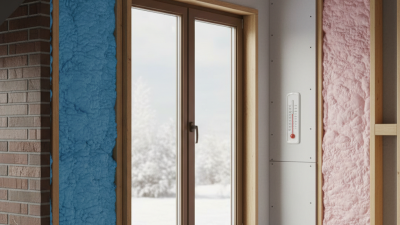
When selecting cladding, consider materials that provide high R-values. A higher R-value indicates better insulating effectiveness. For example, rigid foam boards can offer R-values ranging from 5 to 6 per inch. On the other hand, materials like wood and brick have lower R-values. It's essential to balance aesthetics with performance.
Reflecting on different insulation properties, not all panels perform equally in weather conditions. Some materials may crack or warp under extreme temperatures. This can compromise insulation, leading to higher energy bills. Choosing panels with appropriate weather resistance is crucial. Research indicates that durable options can reduce maintenance costs over time.
Comparative Analysis of Exterior Cladding Panel Energy Efficiency
Budgeting and Cost Analysis for Exterior Cladding Options
When considering exterior cladding options, budgeting is essential. The average cost for cladding materials varies widely. According to industry reports, wood, fiber cement, and vinyl are popular choices.
Fiber cement costs between $0.70 to $5.00 per square foot, while vinyl ranges from $0.50 to $2.00. Budgeting for installation is crucial. Labor costs can increase overall expenses by 30-50%.
Environmental and aesthetic factors also impact cost decisions. Reclaimed wood may provide a unique look but comes with higher costs. Some reports suggest that sustainably sourced materials can cost up to 20% more.
In contrast, vinyl offers affordability but lacks sustainability credentials.
Costs can escalate with additional features, such as insulation. Insulated panels can improve energy efficiency but may add $1.00 to $5.00 per square foot. It’s important to evaluate long-term savings versus initial investments.
Cost-effective choices should balance aesthetic appeal and performance. Focusing solely on short-term savings might lead to higher maintenance costs later.



 Environmental Building Board
 Fire-proof Board
 Sound Resistance
 Termite Resistance