What is Glass Wool Insulation and How Does it Work?
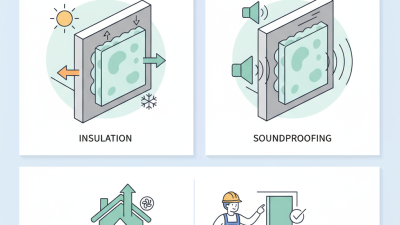
Glass Wool Insulation is a popular choice for energy efficiency in buildings. This material consists of fine glass fibers that trap air and reduce heat transfer. Homeowners and builders favor it due to its lightweight nature and effective thermal performance.
Understanding how Glass Wool Insulation works can lead to more informed choices. It plays a crucial role in preventing heat loss during winter. However, it can absorb moisture if not properly installed, affecting its performance.
The application of Glass Wool Insulation also contributes to soundproofing homes. Many users appreciate the peace it provides by reducing external noise. Yet, it is important to consider the installation process. A poorly installed product will not deliver its full benefits. Users should take time to learn about best practices and common pitfalls.
What is Glass Wool Insulation?
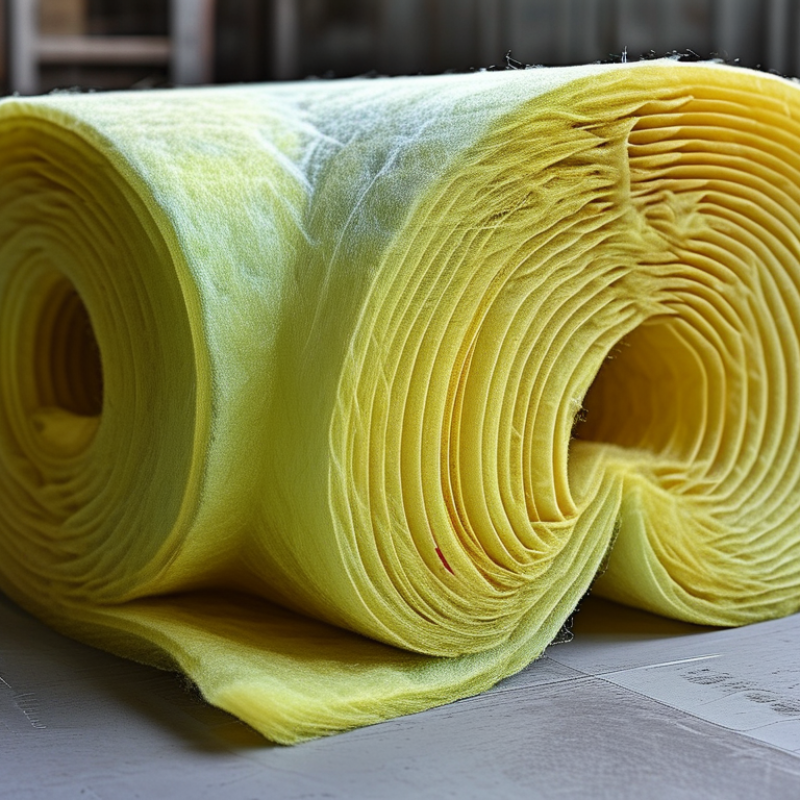
Glass wool insulation is a widely used material for thermal and acoustic insulation. It is created from fine strands of glass, which are spun into fibers. These fibers trap air, creating a barrier against heat transfer. It effectively keeps spaces warm in winter and cool in summer.
One of the key characteristics of glass wool insulation is its lightweight nature. This makes it easy to handle and install. The insulating performance of glass wool is measured by its R-value, which indicates resistance to heat flow. Higher R-values mean better insulation. However, improper installation can lead to reduced efficiency.
While glass wool insulation is effective, it does require caution during installation. The fibers can irritate the skin and respiratory system, so protective gear is essential. It’s important to weigh the benefits against potential challenges. Properly addressing these concerns can lead to a more energy-efficient and comfortable living environment.
The Composition and Structure of Glass Wool
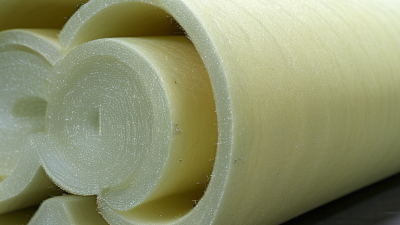
Glass wool insulation is made from recycled glass, which is melted and spun into fine strands. These strands are then formed into blanket rolls or batts. The result is a lightweight and durable product. It is known for its excellent thermal properties and soundproofing capabilities. This structure creates multiple air pockets that trap heat, making it effective in homes and buildings.
The composition of glass wool includes silica, soda, and lime. These materials give it strength and flexibility. The manufacturing process ensures that the glass fibers are non-combustible. However, handling glass wool requires care. The tiny fibers can irritate the skin, eyes, and lungs. Safety gear like gloves and masks is recommended when working with this material. This highlights the importance of safety in construction practices and material handling.
Moreover, while glass wool has many benefits, it also poses environmental questions. Its production process consumes energy and resources. Additionally, ensuring proper disposal is crucial, as improper handling can lead to waste. Balancing the advantages of insulation with environmental responsibilities is important. This reflection is essential for achieving sustainable building practices.
How Glass Wool Insulation Works in Buildings
Glass wool insulation plays a crucial role in enhancing building efficiency. It consists of fine strands of glass that trap air, reducing heat transfer. This unique structure keeps interiors warm in winter and cool in summer. The lightweight material is easy to install in attics, walls, and floors.
In buildings, glass wool insulation reduces noise and energy costs. It provides thermal resistance, which is vital for sustainability. The R-value measures this resistance. Higher R-values indicate better insulation performance. However, improper installation can reduce its effectiveness significantly. Mistakes like gaps or compression make a difference.
Glass wool is also fire-resistant, adding to safety. Yet, it can cause itching when handled. Wearing protective gear is crucial during installation. Many people overlook these details, leading to discomfort. Understanding how glass wool works can lead to better decisions for home and building projects.
What is Glass Wool Insulation and How Does it Work?
| Property |
Description |
| Material Composition |
Made from recycled glass fibers |
| Thermal Performance |
Excellent thermal insulation with low thermal conductivity |
| Sound Absorption |
Good sound-proofing properties to reduce noise transmission |
| Fire Resistance |
Non-combustible and does not support combustion |
| Environmental Impact |
Made from natural and recycled materials, eco-friendly |
| Application Areas |
Used in walls, roofs, and floors of buildings |
| Installation Method |
Easily cut and fitted, installed between framing |
Benefits of Using Glass Wool Insulation
Glass wool insulation offers numerous benefits for both residential and commercial buildings. It is composed of fine glass fibers, providing excellent thermal resistance. This material effectively traps air, reducing heat loss in winter and keeping spaces cool during summer. By minimizing energy consumption, it helps lower utility bills significantly.
Another advantage is its soundproofing capability. Glass wool insulation hinders noise transmission, creating quieter environments. This is especially beneficial in urban areas. Additionally, glass wool is non-combustible. It does not promote fires, enhancing safety in buildings.
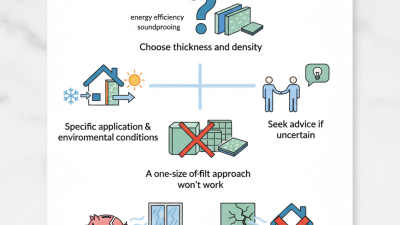
While glass wool is effective, there are considerations to keep in mind. Installation can be challenging and may require professional help. Improper installation can lead to gaps, decreasing its effectiveness. It's important to evaluate the needs of each space before choosing insulation materials.
Benefits of Using Glass Wool Insulation
Installation Process and Best Practices for Glass Wool
Glass wool insulation is an effective method to improve energy efficiency in buildings. Installing it requires attention to detail. Understanding the process is vital for achieving optimal performance.
Begin by preparing the area. Ensure that the surface is clean and dry. Wear protective gear, such as gloves and masks. Carefully measure the space where the insulation will go. Cut the glass wool into appropriate lengths using a sharp knife. Mistakes can occur here, leading to gaps that reduce effectiveness.
Next, install the insulation between the wall studs or rafters. Insert the panels snugly, but do not compress them. Compression reduces their insulating properties. Secure with appropriate fasteners, ensuring they are not too tight. This step is crucial for airflow and effectiveness. Periodically check your work. Reflecting on your installation can lead to better results. If you notice gaps or improper placement, adjust immediately. Proper installation requires patience and practice. Take your time to get it right.



 Environmental Building Board
 Fire-proof Board
 Sound Resistance
 Termite Resistance