How to Choose Thermal Insulating Glass Wool for Your Project?
When embarking on a project involving insulation, the choice of materials is crucial. Thermal-Insulating Glass Wool is a popular option for its excellent thermal performance and energy efficiency. According to a recent report by the Global Insulation Market, the demand for thermal insulation materials is expected to grow by 5.6% annually through 2025.
Experts stress the importance of selecting suitable materials. Johnathan Brown, a leading authority in insulation technology, states, “Choosing the right thermal-insulating material can significantly influence energy conservation and comfort in buildings.” This shows the professional consensus on the need for informed decisions.
Yet, not all products are created equal. Factors such as R-value, density, and moisture resistance must be considered. The growing variety in the marketplace can be overwhelming. Quality and performance can vary widely among brands. This reality requires careful evaluation of specifications. The right choice can lead to enhanced performance and cost savings. On the other hand, poor choices may lead to ineffective insulation and increased energy bills. This highlights the necessity of a well-researched approach to selecting Thermal-Insulating Glass Wool for any project.
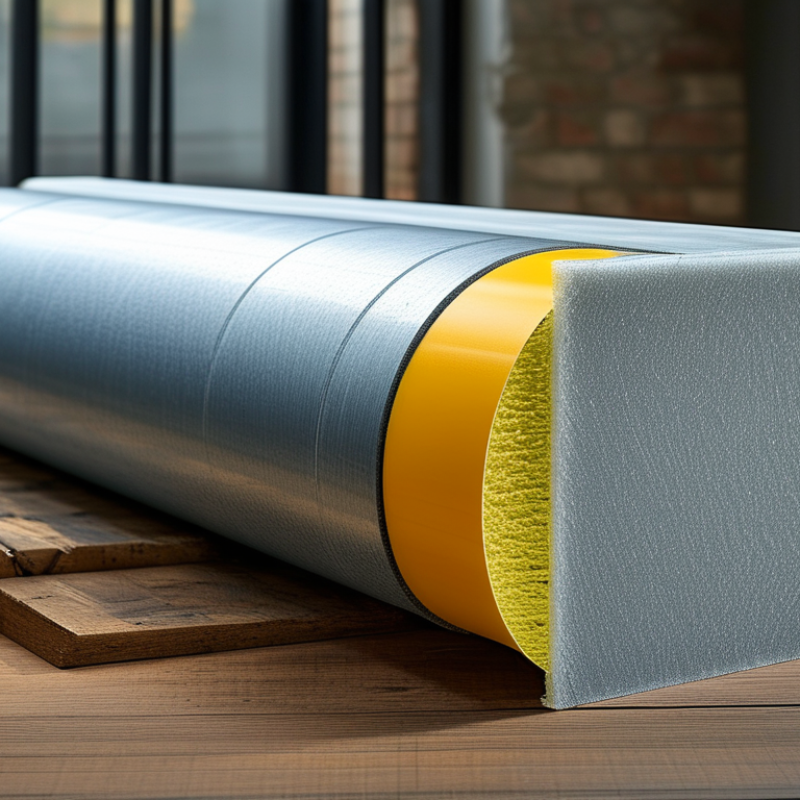
Factors Affecting the Selection of Thermal Insulating Glass Wool
Choosing the right thermal insulating glass wool is crucial for effective insulation. Several key factors affect this decision. One major consideration is the thermal conductivity of the material. According to industry reports, high-performance glass wool typically has a thermal conductivity rating as low as 0.032 W/mK. This means better insulation efficiency.
Another essential factor is the density of the glass wool. Lower density can lead to higher thermal resistance. However, it may lack durability in specific applications. A research study from the International Insulation Institute notes that optimal density levels range from 10 to 30 kg/m³ to balance performance with affordability.
Moisture resistance is also critical, especially in humid environments. Poor moisture control can lead to reduced insulation effectiveness. According to the Building Research Establishment, moisture can reduce insulation performance by up to 30%. Careful consideration of these factors, alongside the specific needs of your project, will help in selecting the right thermal insulating glass wool. It is vital to analyze details like environmental conditions and intended use to avoid common pitfalls that could lead to poor insulation performance.
Understanding the Thermal Conductivity Ratings of Glass Wool
When selecting thermal insulating glass wool for a project, understanding thermal conductivity ratings is crucial. Thermal conductivity measures how well a material conducts heat. A lower value indicates better insulation. Glass wool typically has a thermal conductivity rating between 0.035 to 0.045 W/mK. This range allows for effective thermal resistance, depending on your specific needs.
Consider factors such as thickness and density. Thicker glass wool can provide more insulation but may also add weight to structures. On the other hand, denser materials offer improved performance but can increase costs. It’s important to balance these aspects based on your project budget and requirements. Pay attention to the manufacturer's specifications and performance data, as these details impact overall effectiveness.
It's worth noting that thermal conductivity can vary with temperature and humidity. Therefore, testing materials in real-world conditions can yield different results than lab tests. Not all glass wool types will perform equally in every scenario. Being aware of these variations helps ensure you choose the right insulation for your specific environment. A little research and careful consideration can lead to better project outcomes.
Evaluating the Density and Thickness for Optimal Insulation Performance
Choosing the right thermal insulating glass wool is crucial for any construction project. Evaluating the density and thickness of the material plays a significant role in achieving optimal insulation performance. According to industry standards, a density of 32 kg/m³ is often recommended for residential applications. Higher density materials can offer better sound insulation, but they may not always be necessary unless the project specifically requires it.
Thickness is another vital consideration. Typical thicknesses range from 50 mm to 200 mm. Thicker materials generally provide improved thermal resistance. However, using excessive thickness may lead to unnecessary costs and complications in installation. Balancing these factors can be challenging. A thick layer might promise better insulation but could create structural issues depending on the design.
It's essential to assess the specific needs of your project. External factors like climate and building purpose can influence your choices. For example, a colder climate might necessitate greater thickness. Yet, it is crucial to not overengineer the solution. Sometimes, less is more when it comes to insulation. Proper analysis will lead to a more efficient and cost-effective outcome. Data from recent studies indicates that correct insulation can reduce energy costs by up to 30%. Consideration of the right density and thickness can dramatically enhance performance.
Thermal Insulating Glass Wool Density and Thickness Comparison
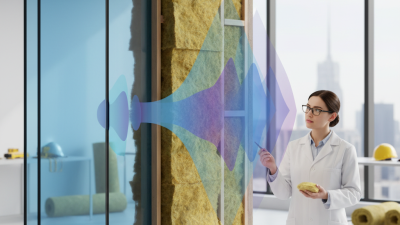
Comparing Acoustic Properties of Different Glass Wool Products
When selecting thermal insulating glass wool, it's essential to consider acoustic properties.
Not all glass wool products perform equally in sound absorption. According to a report by the
International Acoustic Society, materials with higher density often offer better sound insulation.
Glass wool with a density ranging from 40 to 60 kg/m³ is generally recommended for effective acoustic control.
Sound absorption coefficients vary widely among products. For instance, samples tested at different
frequencies show that high-density glass wool can absorb up to 0.95 at 500 Hz. This means that nearly
all sound energy can be absorbed at this frequency. Conversely, lower-density options may only achieve
0.50 or less, indicating poorer performance in noise reduction.
The installation environment also affects acoustic performance. Factors like room size, wall material,
and the presence of furniture can influence sound absorption effectiveness. Choosing a product requires
careful analysis of these variables. A detailed understanding of the specific project conditions can
lead to improved outcomes. Some products may promise high performance but fail to deliver in real-world
applications. Conducting thorough testing and comparisons is crucial for informed decisions.
Assessing Cost-Effectiveness and Lifespan for Project Budgeting
When planning a project, assessing the cost-effectiveness of thermal insulating glass wool is vital. This material provides both insulation and soundproofing. However, the initial investment can vary widely. Evaluating the price per square meter can help establish a budget. Yet, the cheapest option may not offer the best long-term value. Sometimes, spending a bit more on higher quality can save costs over time.
Lifespan is another critical factor. High-quality glass wool can last for decades, while inferior products may require replacement sooner. It’s essential to consider the environmental conditions where it will be installed. Moisture and temperature fluctuations can impact performance. You might find unexpected replacement costs if you choose low-quality options. Researching industry standards can guide your decisions and clarify expectations.
Engaging with professionals can enhance your understanding. They can provide insights on the long-term benefits and drawbacks of different materials. However, not all experts offer the same level of advice. Be cautious when relying solely on one source. Gathering multiple opinions can lead to more informed choices. This reflective process is essential but often overlooked in project planning.
How to Choose Thermal Insulating Glass Wool for Your Project? - Assessing Cost-Effectiveness and Lifespan for Project Budgeting
| Insulation Type |
R-Value (per inch) |
Cost per Square Foot |
Lifespan (Years) |
Noise Reduction Rating (NRR) |
| Glass Wool |
3.2 |
$0.65 |
30 |
40 |
| Rock Wool |
3.0 |
$0.75 |
60 |
35 |
| Fiberglass |
2.9 |
$0.60 |
20 |
25 |
| Cellular Glass |
4.0 |
$1.00 |
50 |
30 |



 Environmental Building Board
 Fire-proof Board
 Sound Resistance
 Termite Resistance