Why Choose Sound Absorbing Glass Wool for Your Projects?
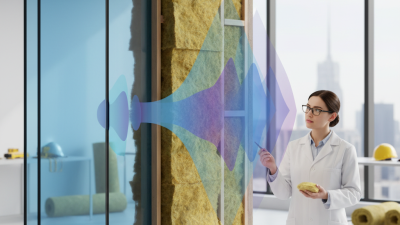
When embarking on construction or renovation projects, choosing the right materials is crucial. Sound-Absorbing Glass Wool stands out as a prime option for many reasons. It provides excellent sound insulation, making it ideal for residential and commercial spaces. This material not only helps control noise but also enhances comfort levels in various environments.
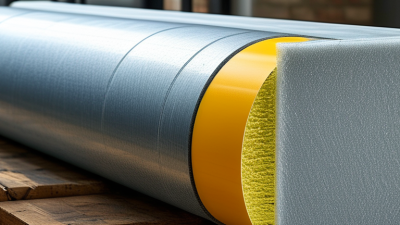
The effectiveness of Sound-Absorbing Glass Wool comes from its unique composition. It features fibers that trap sound waves, reducing their transmission. This characteristic is particularly important in busy areas, where noise can be disruptive. Moreover, this type of insulation is lightweight and easy to install. However, it is essential to consider the installation process carefully to achieve optimal results.
While Sound-Absorbing Glass Wool offers numerous advantages, some may overlook its potential downsides. For instance, improper installation can lead to gaps, diminishing its soundproofing abilities. Additionally, the choice of thickness and density is crucial for specific applications. Reflecting on these aspects ensures that you maximize the benefits of this innovative material for your projects.
Benefits of Sound Absorbing Glass Wool in Acoustic Insulation
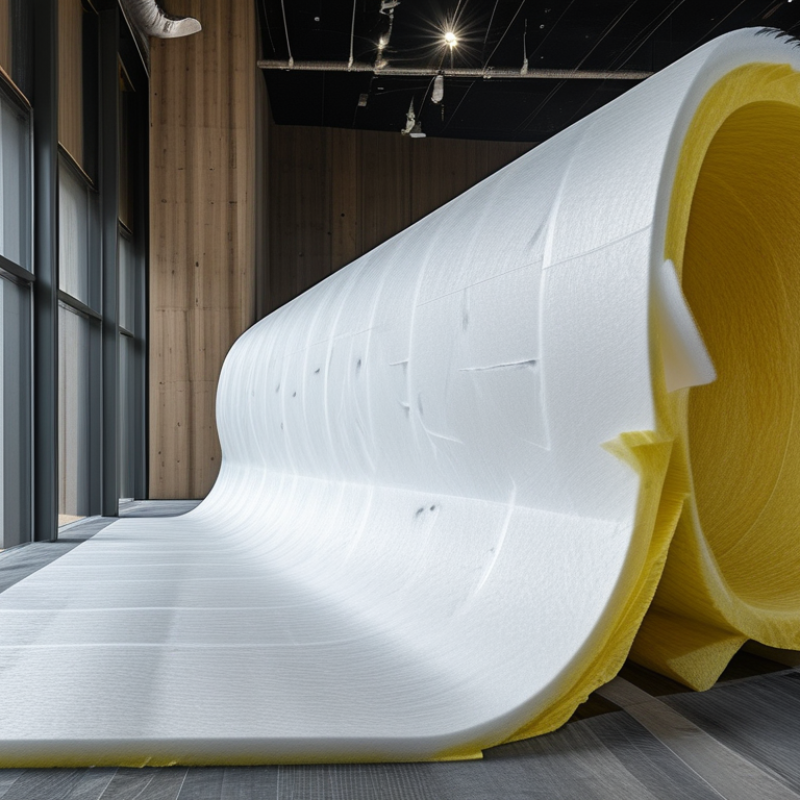
Sound absorbing glass wool offers numerous benefits for acoustic insulation in various projects. This material efficiently reduces noise transmission, creating a quieter environment. Its unique structure traps sound waves, making it effective in both commercial and residential settings. Whether you are building a home theater or soundproofing an office space, glass wool helps achieve significant noise reduction.
Moreover, sound absorbing glass wool is lightweight and easy to install. It can be used as wall insulation, ceiling tiles, or flooring underlayment, providing flexibility in design. Its fire-resistant properties add an extra layer of safety. However, it’s crucial to ensure proper installation for optimal performance. Misalignment or insufficient coverage might lead to poor sound absorption, emphasizing the need for attentive application.
Sustainability is another important aspect. Many varieties of glass wool are made from recycled materials, reducing waste. Despite its advantages, some may worry about dust generation during installation. Proper ventilations and protective gear can address these concerns. By weighing these factors, one can make an informed decision about using sound-absorbing glass wool in projects.
Applications of Sound Absorbing Glass Wool in Construction Projects
Sound absorbing glass wool is increasingly popular in construction projects. Its versatility makes it suitable for various applications. Builders use this material for soundproofing walls, ceilings, and floors in both commercial and residential spaces. It effectively reduces noise levels, creating a more peaceful environment.
In offices, sound absorbing glass wool minimizes distractions. Open-plan designs benefit greatly from its use. Conference rooms utilize it to improve acoustics. In residential homes, it helps shield bedrooms from outside noise, enhancing comfort. This material is also effective in theaters and auditoriums, where sound clarity is crucial.
While its benefits are clear, there are some challenges to consider. Proper installation is key to performance. Gaps or poor fitting can reduce effectiveness. Moreover, the material can absorb moisture if not treated, which may lead to mold growth. It's essential to assess environmental conditions before use. Ensuring quality installation and maintenance is vital for maximizing the benefits of sound absorbing glass wool.
Comparing Sound Absorbing Glass Wool with Other Insulation Materials
When considering insulation materials, sound absorbing glass wool stands out for various reasons. It excels in soundproofing, achieving a Sound Transmission Class (STC) rating of up to 45. This significantly reduces noise levels in commercial and residential projects. In contrast, materials like fiberglass batts typically offer an STC rating of around 38, making them less effective at noise control.
Glass wool’s unique fibrous structure helps dissipate sound waves more effectively than traditional insulation options. For example, studies show that it absorbs sound frequencies ranging from 125 Hz to 4,000 Hz. This makes it suitable for use in theaters, offices, and homes where acoustics matter. Compared to foam or cellulose, glass wool remains lightweight yet provides superior sound dampening.
Tips: When selecting insulation, consider your specific soundproofing needs. Ensure that the material meets appropriate STC ratings for your project. Sometimes, mixing different types of insulation can yield better results, as each has its strengths. Reflect on your choices; sometimes, the most common solutions might not suit your unique requirements. Embrace experimentation to find the best acoustic balance for your space.
Installation Techniques for Optimal Performance of Glass Wool Products
When installing sound absorbing glass wool, proper techniques can maximize its performance. Begin by ensuring that the area is clean and dry. Dust or moisture can compromise the soundproofing quality of the material. It’s essential to wear protective gear as glass wool can irritate the skin and lungs.
Cutting the glass wool to fit snugly into wall or ceiling cavities is crucial. Gaps will reduce the effectiveness of sound absorption. Use a utility knife for clean cuts. Secure the material with adhesive or mechanical fasteners to prevent slippage. Overlapping seams can enhance acoustic performance, as they help to create a denser sound barrier.
It’s important to acknowledge challenges that might arise during installation. Uneven surfaces can make it difficult to achieve a tight fit. Moreover, working in tight spaces can lead to less-than-perfect placements. Reflecting on these potential issues can guide improvements for future projects. Good practice involves regular checks during installation to ensure everything is aligned correctly.
Cost-Effectiveness of Using Sound Absorbing Glass Wool in Projects
When it comes to cost-effectiveness in construction, sound absorbing glass wool stands out. According to a report by the International Association for the Properties of Water, it effectively reduces noise pollution by up to 85%. This significant reduction improves not only the acoustic environment but also enhances overall occupant comfort.
Using sound absorbing glass wool can lead to substantial savings. The initial investment is often lower than alternative materials. A study by the Acoustic Society reports that projects utilizing this material can reduce long-term maintenance costs by nearly 30%. This is because it is resistant to moisture, mold, and mildew, making it durable and reliable.
However, the material does have some limitations. While it performs well in various environments, its effectiveness can wane in extreme conditions. Some projects may require additional insulation or soundproofing alongside glass wool. These nuances should be addressed in planning phases. Overall, the benefits often outweigh the challenges, making sound absorbing glass wool a valuable choice for many builders.
Why Choose Sound Absorbing Glass Wool for Your Projects? - Cost-Effectiveness of Using Sound Absorbing Glass Wool in Projects
| Project Type |
Material Cost per Square Meter |
Installation Cost per Square Meter |
Total Cost per Square Meter |
Sound Absorption Coefficient (α) |
| Residential Building |
$15 |
$10 |
$25 |
0.85 |
| Commercial Space |
$18 |
$12 |
$30 |
0.90 |
| Industrial Facility |
$20 |
$15 |
$35 |
0.92 |
| Educational Institutions |
$14 |
$9 |
$23 |
0.87 |
| Healthcare Facilities |
$22 |
$14 |
$36 |
0.95 |



 Environmental Building Board
 Fire-proof Board
 Sound Resistance
 Termite Resistance