Why Choose Waterproof Board for Your Next Project?
Waterproof boards have become a popular choice for construction and renovation projects. Their ability to withstand moisture makes them ideal for areas prone to water exposure. According to industry expert Mark Thompson, a leading figure in building materials, “Using waterproof boards can prevent costly damage and extend the lifespan of your project.”
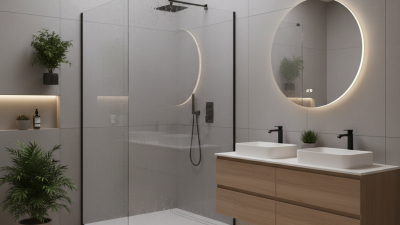
Incorporating waterproof boards can transform spaces like bathrooms and kitchens. These boards resist mold and rot, offering a reliable solution for wet environments. Moreover, they are easier to install than traditional materials, saving both time and labor costs.
Despite their advantages, some may question their higher upfront cost. It's essential to weigh this against the long-term benefits. A well-informed decision on your materials can lead to lasting satisfaction. Ultimately, investing in waterproof boards can enhance your project’s durability and performance.
Benefits of Using Waterproof Board in Construction Projects
Waterproof boards have become essential in modern construction projects. They offer numerous advantages that can significantly enhance the quality and durability of structures. According to a report by the American Society of Civil Engineers, nearly 30% of all construction failures are related to water damage. This statistic underscores the importance of using materials that resist moisture.
One of the key benefits of waterproof boards is their exceptional resistance to rot and mold. Traditional materials often succumb to moisture, leading to costly repairs and compromised integrity. A study conducted by the International Journal of Building Pathology and Adaptation found that buildings utilizing waterproof materials exhibit a 40% lower incidence of structural decay compared to those that do not. This statistic highlights how waterproof boards can save money in the long run.
In addition to their durability, waterproof boards contribute to energy efficiency. They help maintain stable indoor climates, reducing heating and cooling demands. The U.S. Department of Energy notes that homes with better moisture control can see energy savings of up to 15%. However, choosing the right type of waterproof board is critical. Not all options provide the same level of protection, and not every project may benefit equally. Evaluation of specific project needs is essential for optimal results.
Key Properties of Waterproof Boards: Durability and Moisture Resistance
Waterproof boards are gaining popularity in various construction projects. Their key properties, namely durability and moisture resistance, make them a wise choice. These boards can withstand heavy rain, humidity, and water exposure. This unique feature broadens the range of applications, from bathrooms to basements. The longevity of waterproof boards often exceeds traditional materials. However, it’s crucial to consider installation methods for optimal performance.
Durability is a standout characteristic. Waterproof boards resist warping and damage over time. This means fewer repairs and replacements. However, users must be aware that improper installation can lead to issues. Moisture resistance also plays a significant role. Boards resist mold and mildew growth, ensuring healthier environments. Yet, neglecting regular maintenance might still allow small problems to escalate.
It's important to note that not all waterproof boards are created equal. Some may hold up better than others depending on the materials used. Understanding the specifications is vital for achieving desired results. Investing time in research pays off. The right waterproof board can enhance the aesthetic and functional qualities of any project. Being cautious and informed leads to better choices.
Why Choose Waterproof Board for Your Next Project? - Key Properties of Waterproof Boards
| Property |
Description |
Benefits |
| Water Resistance |
Ability to withstand moisture without deteriorating. |
Prevents mold and rot, ensuring longevity. |
| Durability |
Strong materials that can handle physical stress. |
Less frequent replacements, cost-effective over time. |
| Insulation Properties |
Helps to maintain temperature and reduce energy costs. |
Enhances comfort in living spaces. |
| Easy to Install |
Lightweight and manageable for quick setups. |
Saves time and labor costs during construction. |
| Versatility |
Can be used in various applications from wall panels to flooring. |
Suitable for both indoor and outdoor use. |
Comparative Analysis: Waterproof Boards vs. Traditional Materials
Waterproof boards are gaining traction in construction and renovation. They offer considerable advantages over traditional materials. Unlike wood, which can warp or rot when exposed to moisture, waterproof boards maintain their integrity. This durability leads to less frequent replacements, minimizing long-term costs. Additionally, they are resistant to mold and mildew, a critical factor in maintaining a healthy indoor environment.
Traditional materials often involve extensive maintenance. Wood and drywall need regular sealing and repair, especially in high-humidity areas. This can be time-consuming and costly. In contrast, waterproof boards require minimal upkeep. Their robust composition allows them to withstand spills and humidity without degrading. However, some may question their environmental impact compared to natural materials. It’s essential to critique all options carefully, acknowledging both benefits and potential drawbacks.
Ultimately, the choice between waterproof boards and traditional materials hinges on project needs. Consider factors like location, climate, and intended use. Each material has its role, but in many scenarios, waterproof boards emerge as a practical solution. Make thoughtful comparisons to find what suits your project best.
Industry Standards for Waterproof Boards: Certification and Testing Results
Waterproof boards have gained significant attention in the construction industry due to their functional benefits. To ensure quality and performance, industry standards play a vital role. Certification processes for waterproof boards often involve rigorous tests for moisture resistance, durability, and thermal performance.
For instance, reports from industry specialists show that boards meeting certain ASTM standards demonstrate over 90% moisture resistance after prolonged exposure. This performance is crucial for applications in areas prone to high humidity or water exposure. Furthermore, independent testing has revealed that top-tier waterproof boards can last up to twice as long as traditional options under similar conditions.
While many manufacturers claim compliance with these standards, discrepancies can occur. A recent study indicated that around 15% of samples failed to meet certification criteria after real-world testing. This raises concerns about reliability in some cases. Establishing a meticulous selection process is essential for ensuring projects incorporate truly waterproof materials. Understanding these certification processes helps builders choose materials that meet robust industry standards.
Cost-Benefit Analysis: Long-Term Savings with Waterproof Board Usage
Waterproof boards are gaining attention for various construction and renovation projects. Their long-term cost-effectiveness offers significant benefits. Traditional materials often succumb to moisture, leading to mold growth and structural damage. This increases repair and replacement costs over time. By opting for waterproof boards, you can avoid frequent maintenance. This choice proves beneficial for both residential and commercial spaces.
Analyzing the financial implications reveals that waterproof boards may initially seem pricey. However, consider the savings over time. Less maintenance and fewer repairs mean lower lifetime costs. In settings like bathrooms or kitchens, the impact of moisture is pronounced. Water-resistant materials ensure longevity and durability in these areas. This practical approach minimizes the need for costly renovations.
While the advantages are clear, it’s important to consider potential downsides. There can be a steep learning curve for installation. Proper handling and installation are crucial to maximize benefits. Investing time in education can lead to better outcomes. Striking the right balance between upfront costs and future savings is vital in decision-making. This reflection can shape your approach to waterproof materials.



 Environmental Building Board
 Fire-proof Board
 Sound Resistance
 Termite Resistance