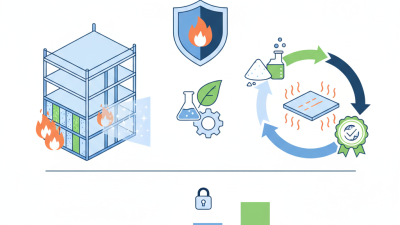
Why Choose Cement Panel for Your Construction Needs?
In today's construction landscape, the choice of materials is crucial. Cement panels have become a popular option, gaining attention for their durability and versatility. Renowned construction expert Dr. Amelia Hart, an authority in sustainable building solutions, states, "Cement panels combine strength and aesthetic appeal, making them ideal for modern construction."
Cement panels present unique benefits. They are resistant to moisture, mold, and fire, which enhances their suitability for various climates. Many builders appreciate their ease of installation and low maintenance requirements. Moreover, these panels can contribute significantly to energy efficiency, minimizing the need for heating and cooling.
However, the choice of cement panels is not without its challenges. Some may overlook the initial cost compared to traditional materials. There might be concerns about the long-term performance and sustainability of cement production. These factors warrant careful consideration. Choosing cement panels could be a game changer, but it requires informed decision-making.
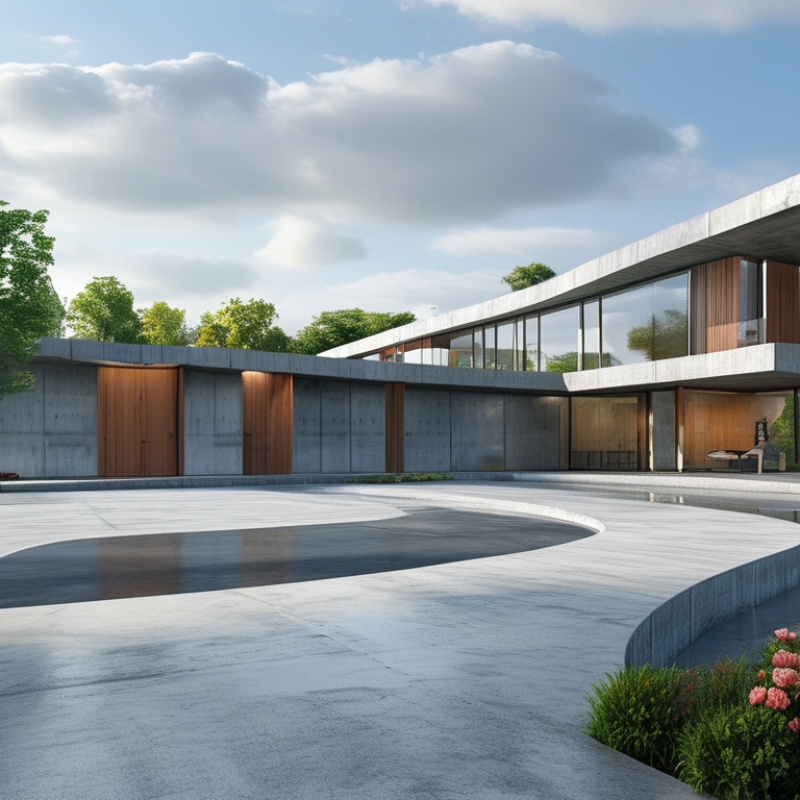
Benefits of Using Cement Panels in Construction
Cement panels are increasingly popular in construction for various reasons. They provide a strong, durable solution for both residential and commercial projects. One significant benefit is their fire resistance. Unlike many traditional materials, cement panels do not burn. This feature enhances safety in buildings.
Cement panels also offer excellent insulation properties. They keep structures cooler in summer and warmer in winter. This can lead to significant energy savings over time. Additionally, their water resistance prevents mold and structural damage in wet climates.
**Tip:** Always consider the local climate when selecting materials. Cement panels may be an excellent choice for areas with extreme weather conditions.
Another advantage of cement panels is their low maintenance requirement. They resist pests and decay, reducing the need for frequent repairs. However, it's essential to be aware of proper installation practices. Poorly installed panels can lead to issues like cracking or water leakage.
**Tip:** Collaborate with experienced professionals for installation. A skilled team can help ensure the longevity of your cement panels.
Their versatility is also worth noting. Cement panels can be used for walls, facades, and even roofs. This adaptability allows for creative architectural designs without compromising on strength. However, always assess your project's specific needs before making a decision.
Comparison of Cement Panels with Traditional Building Materials
Cement panels are gaining traction in the construction industry. They offer significant advantages over traditional materials like wood and brick. According to a report by the Portland Cement Association, cement-based materials demonstrate higher durability and resistance to weathering. This can translate to lower maintenance costs over time.
When we talk about energy efficiency, cement panels shine as well. The American Concrete Institute states that cement panels can provide improved insulation compared to wood. They help in maintaining temperature control, lowering energy consumption. Traditional materials often require more energy to heat or cool buildings.
However, there are challenges to consider. The installation of cement panels can demand skilled labor, which might not always be available. Moreover, while cement is sustainable, the production process has environmental impacts. As a result, builders must weigh the benefits against these potential issues, ensuring they make informed choices.
Durability and Maintenance Considerations for Cement Panels
Cement panels are an increasingly popular choice in construction due to their durability and low maintenance needs. These panels can withstand harsh weather conditions, making them suitable for various climates. Their resistance to rot and pests means less time and money spent on repairs. However, it’s crucial to consider potential issues such as cracking over time, which can compromise their effectiveness.
While cement panels are largely durable, maintenance is still required. Regular inspections can help identify early signs of wear. Sealing cracks can prevent further deterioration, extending the panel's lifespan. Additionally, cleaning surfaces helps maintain their appearance and functionality. A proactive approach is essential to maximize the benefits of cement panels.
The initial cost of cement panels can be higher than other materials. However, their longevity often offsets initial expenses. It’s important to balance cost and benefits carefully. As with any material, it's vital to stay informed and adjust maintenance practices over time. This will ensure that cement panels continue to meet construction needs effectively.
Why Choose Cement Panel for Your Construction Needs?
| Feature |
Benefit |
Maintenance Considerations |
| Durability |
Resists weathering and physical impacts, providing long-term use. |
Minimal annual inspections, with occasional cleaning required. |
| Fire Resistance |
Inherently resistant to fire, improving building safety. |
Regular checks for distressed areas can ensure continued performance. |
| Cost-Effectiveness |
Lower long-term maintenance costs compared to traditional materials. |
Requires less frequent repairs due to robust nature. |
| Eco-Friendly Options |
Can be manufactured using sustainable materials. |
Periodic assessments to ensure components are recyclable. |
Cost-Effectiveness of Cement Panels for Construction Projects
Cement panels have grown popular in construction due to their cost-effectiveness. They offer a durable solution while keeping expenses down. For many builders, this aspect is crucial. Unlike traditional materials, cement panels are affordable and provide long-lasting performance. They resist racking and are less likely to warp over time. This durability reduces maintenance costs, making them an excellent long-term investment.
Installation can be straightforward. Builders save on labor costs due to the panels’ ease of handling. However, improper installation can lead to issues. It's essential to hire experienced professionals to achieve optimal results. While cement panels may seem economical, attention to detail during installation is vital. Mistakes can negate the savings from using these materials.
Projects using cement panels tend to have lower overall costs. They can withstand harsh weather, reducing the need for frequent repairs. Thus, opting for cement panels can lead to significant financial savings over time. However, it’s crucial to periodically assess their condition. Regular inspections can help identify potential issues early before they escalate into costly repairs.
Environmental Impact and Sustainability of Cement Panels
Cement panels are gaining traction in construction due to their sustainable qualities. They are made from abundant natural materials. The process of producing these panels is more eco-friendly than other materials. This reduces carbon emissions significantly.
Using cement panels also minimizes waste. These panels are durable and require less maintenance. They last longer, which means fewer resources are used over time. However, there is a misconception that all cement production is harmful. Innovations in technology are changing this narrative. Many manufacturers are focusing on sustainable practices now.
While cement panels have many benefits, they are not perfect. The energy used in their manufacturing can still be high. This creates a complex dilemma for builders and architects. Balancing durability with ecological impact remains a challenge. Ongoing research is necessary to improve practices further.
Environmental Impact of Cement Panels
This chart illustrates the environmental impact of cement panels compared to traditional construction materials. It highlights key areas such as CO2 emissions, recyclability, water usage, and energy intensity, showcasing the benefits of cement panels in sustainable construction.



 Environmental Building Board
 Fire-proof Board
 Sound Resistance
 Termite Resistance