2026 Top Thermal Insulating Glass Wool for Global Buyers?
In the ever-evolving construction industry, the demand for effective solutions is stronger than ever. Thermal-Insulating Glass Wool stands out as a key player in providing superior insulation. According to Dr. Emily Carter, an expert in thermal materials, "The impact of Thermal-Insulating Glass Wool on energy efficiency cannot be overstated." Her insights shed light on the significance of this innovative product for global buyers.
Thermal-Insulating Glass Wool offers exceptional thermal performance, reducing energy consumption in buildings. This material aligns with sustainability goals, making it essential for modern construction. However, challenges remain. Not all products meet the stringent standards necessary for optimal insulation. Buyers must navigate a crowded marketplace filled with varying degrees of quality and effectiveness.
Selecting the right Thermal-Insulating Glass Wool is crucial for any project. Buyers should prioritize trusted manufacturers known for their reliability. As the industry progresses, ongoing education about product specifications and advancements is necessary. Understanding the complexities can empower buyers to make informed decisions, ensuring energy efficiency and comfort in their projects.

Overview of Thermal Insulating Glass Wool and Its Properties
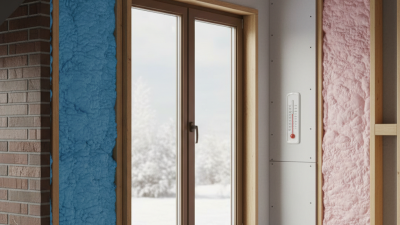
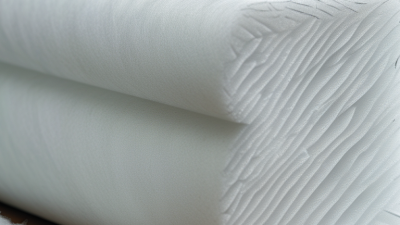
Thermal insulating glass wool has become a crucial component in energy-efficient building designs. This material is composed of fine glass fibers, offering excellent sound and thermal insulation properties. Research shows that using glass wool can reduce energy consumption in buildings by up to 30%. This reduction reflects not only on energy bills but also on the overall carbon footprint.
The material's structure allows it to trap air pockets, enhancing its insulation capacity. It boasts a thermal conductivity rating typically around 0.034 W/m·K. This rating indicates its ability to resist heat flow. Additionally, glass wool is non-combustible, meeting safety standards that prevent fire hazards. Users should note, however, that installation can impact performance significantly. Improper installation can lead to thermal bridging, which reduces efficiency.
Environmental concerns also arise. While glass wool helps improve energy efficiency, its production involves substantial energy. Furthermore, dust generated during installation can irritate skin and lungs. Addressing these issues is vital for sustainable practices. Balancing the advantages of glass wool with these potential drawbacks is a key consideration for buyers.
2026 Top Thermal Insulating Glass Wool for Global Buyers - Overview of Thermal Insulating Glass Wool and Its Properties
| Property |
Description |
Value / Unit |
| Thermal Conductivity |
Measures the ability to conduct heat |
0.034 - 0.040 W/m·K |
| Density |
Weight per unit volume |
10 - 70 kg/m³ |
| Sound Absorption |
Ability to absorb sound energy |
NRC 0.5 - 0.95 |
| Fire Rating |
Resistance to fire and combustion |
A1 Rating |
| Moisture Resistance |
Resistance to moisture absorption |
< 1% by volume |
| Thermal Range |
Temperature range for effective insulation |
-50°C to +250°C |
Key Applications of Thermal Insulating Glass Wool in Various Industries
Thermal insulating glass wool is becoming vital in multiple sectors. It is widely used for thermal insulation in construction. Buildings utilize glass wool to enhance energy efficiency. This application helps reduce heating and cooling costs significantly. In industrial settings, glass wool acts as a sound barrier. It minimizes noise pollution, creating a better work environment.
Additionally, the automotive industry is embracing glass wool for insulation. It improves vehicle comfort and energy efficiency. The lightweight nature of glass wool is a key factor. It helps manufacturers meet modern performance standards. In the HVAC sector, glass wool is employed for duct insulation. This usage enhances system efficiency while preventing energy loss.
Yet, there are challenges. Improper installation can lead to reduced effectiveness. Some products may not meet the expected standards. It's crucial to choose the right type. Buyers should consider their specific application needs carefully. In the rapidly evolving market, staying informed is essential for making sound choices.
Factors Influencing the Choice of Thermal Insulating Glass Wool Products
When selecting thermal insulating glass wool products, several key factors come into play. The density of the glass wool greatly affects its performance. Products with higher density generally provide better thermal resistance. However, this also means they may be more expensive. Buyers should weigh the cost against the benefits of improved insulation.
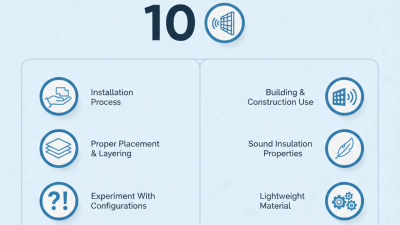
Another important aspect is the installation process. Some glass wool products are easier to handle and install, which can save time and labor costs. It's essential to consider the product's compatibility with various building materials. This can influence not only the ease of installation but also the effectiveness of the insulation.
Sustainability is also becoming a crucial consideration. Many buyers are looking for environmentally friendly options. Products made from recycled materials are gaining popularity. However, performance should not be compromised for eco-friendliness. Finding the right balance can be challenging. Buyers need to do thorough research and evaluate their specific needs before making a decision.
Top Manufacturers of Thermal Insulating Glass Wool Worldwide
Thermal insulating glass wool is vital for energy efficiency in construction. Many companies focus on producing high-quality materials that meet safety standards. These manufacturers are dedicated to advancing insulation technology. They invest in research and development to improve product performance and durability.
The global market for thermal insulating glass wool features a range of manufacturers. Each one may have its unique approach to production and sustainability. Some companies prioritize eco-friendly materials, while others may focus on enhancing thermal resistance. This diversity offers buyers numerous options for their insulation projects.
However, not all products are equally reliable. Some manufacturers might compromise on quality to reduce costs. Therefore, buyers must evaluate the reputation and performance history of producers. Engaging with industry experts can provide crucial insights. Remember, choosing the right insulation impacts long-term energy savings and comfort.
Future Trends and Innovations in Thermal Insulating Glass Wool Solutions
The future of thermal insulating glass wool solutions is set to evolve dramatically. According to industry reports, the global market for glass wool is expected to grow at a CAGR of 5% by 2026. This growth is driven by the rising demand for energy-efficient materials in construction, particularly as governments enforce stricter energy efficiency regulations.
Innovations in glass wool technology are notable. Manufacturers are focusing on improving the thermal insulating properties while reducing the environmental impact. For instance, advancements in raw materials and production processes aim to enhance performance without increasing costs. Reports highlight that some new formulations can achieve R-values up to 5.0, which is significant for energy savings.
Tips: Consider the installation methods as well. Proper installation is crucial for maximizing thermal efficiency. Additionally, keeping an eye on eco-friendly options can be beneficial.
While these innovations are promising, some challenges remain. The recycling of glass wool is still not widely adopted. This raises questions about sustainability. As the industry progresses, addressing such issues will be key to achieving long-term success in thermal insulating solutions.
2026 Global Trends in Thermal Insulating Glass Wool Solutions
This bar chart illustrates the expected market growth and trends of thermal insulating glass wool solutions for the year 2026. It highlights the projected demand across different sectors such as construction, automotive, and industrial applications.



 Environmental Building Board
 Fire-proof Board
 Sound Resistance
 Termite Resistance