 Environmental Building Board
 Fire-proof Board
 Sound Resistance
 Termite Resistance
Leave Your Message
Fire-Rated Mgo Board is attracting attention in commercial, industrial, and residential construction. Its mineral composition, dimensional stability, and resistance to flame can support safer wall, ceiling, and flooring systems. Yet performance depends on more than the board itself.
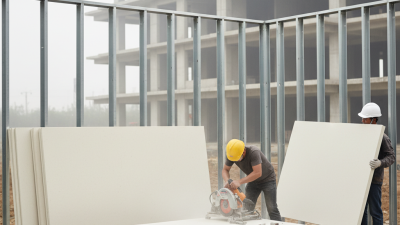
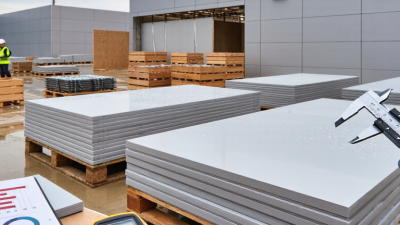
As Dr. Joseph Lstiburek, a respected building-science expert, states, “A building is a system, not a collection of independent parts.” This principle matters when evaluating Fire-Rated Mgo Board suppliers. A strong supplier should provide tested assemblies, consistent thickness, clear technical data, and practical installation guidance. Factory quality control also matters. Small variations in density, moisture content, or surface treatment may affect field performance.
This guide reviews ten notable suppliers worldwide. It considers manufacturing experience, production capacity, certification transparency, export capability, and customer support. Relevant evidence may include fire-resistance testing, reaction-to-fire classifications, environmental documentation, and quality-management systems. However, certificates must match the exact product, thickness, assembly, and market requirements.
No supplier is perfect.
Some companies publish impressive claims but provide limited test details. Others offer excellent boards but weak technical support. That difference can become visible beside a busy jobsite, where installers need accurate cutting advice, compatible fasteners, and dependable delivery. Pricing alone is not enough. A cheaper panel may create higher costs through waste, delays, or replacement.
This introduction is a practical starting point, not a final verdict. Product data can change, and regional approval requirements vary. Buyers should verify current documents directly with each manufacturer before specifying Fire-Rated Mgo Board for a real project.
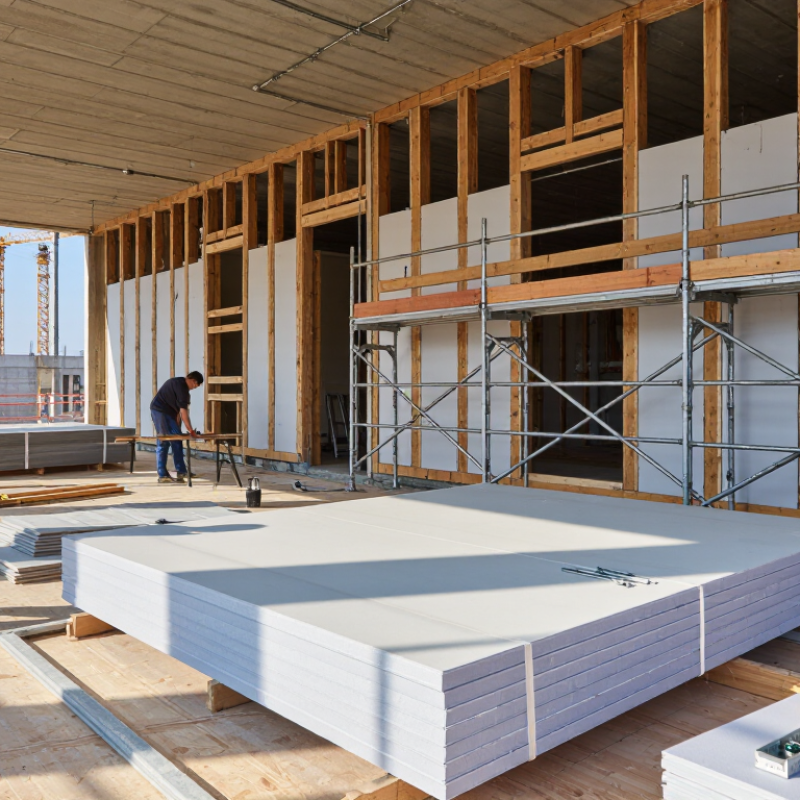
Fire-rated MgO boards combine magnesium oxide with reinforcing materials such as magnesium chloride or sulfate, perlite, wood fiber, and fiberglass mesh. Their mineral core resists ignition and produces limited smoke compared with many organic panels. However, formulations differ sharply. A board labeled “fire-rated” still requires verified test evidence.
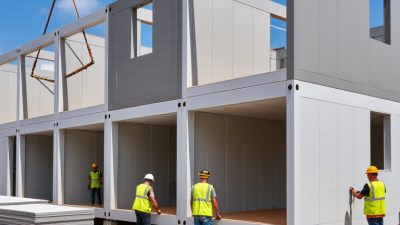
According to the National Fire Protection Association’s Fire Loss in the United States 2023 report, U.S. fire departments responded to about 1.39 million fires, causing approximately 3,670 civilian deaths and 13,900 injuries. These figures explain the demand for passive fire protection in walls, ceilings, shafts, and soffits. MgO boards are also used behind cladding, around service risers, and in modular construction where moisture tolerance matters. ASTM E119 or UL 263 testing can demonstrate fire-resistance performance in complete assemblies, not just loose board samples. ASTM E84 may measure surface flame spread and smoke development, but it does not replace an assembly fire test. Installation details remain critical. Incorrect joints, fasteners, or penetrations can weaken the tested result. That point is often underplayed. Field conditions are rarely perfect. Buyers should review independent test reports, thickness, density, moisture behavior, and compatibility with steel or timber framing before selecting suppliers worldwide.
| Profile | Typical Supply Region | Typical Board Composition | Reinforcement | Typical Density | Common Thickness | Typical Reaction-to-Fire Performance | Typical Tested Assembly Rating | Common Applications |
|---|---|---|---|---|---|---|---|---|
| 01 | East Asia and export markets | Magnesium oxide with magnesium sulfate or magnesium chloride cement, mineral fillers, and lightweight aggregates | Fiberglass mesh and cellulose fibers | 750–1,050 kg/m³ | 6–20 mm | Often classified as A1 or A2-s1,d0 when tested to EN 13501-1; formulation dependent | Approximately 60–180 minutes in tested wall, ceiling, or floor assemblies | Interior wall lining, shaft walls, ceiling systems, and fire-protection enclosures |
| 02 | Europe and the Middle East | Low-chloride MgO cement with perlite, vermiculite, or other mineral fillers | Alkali-resistant fiberglass mesh | 850–1,150 kg/m³ | 8–18 mm | Non-combustible performance may be achievable; the exact classification requires a product test report | Approximately 60–120 minutes for approved partition and ceiling assemblies | Fire-rated partitions, service riser panels, corridors, and commercial interiors |
| 03 | North America | MgO cement, mineral aggregates, and reinforcing fibers designed for sheathing applications | Fiberglass mesh or fiber reinforcement | 900–1,200 kg/m³ | 6–16 mm | Commonly evaluated with ASTM E136, ASTM E84, or assembly-specific methods; results vary by product | Approximately 30–120 minutes in tested exterior or interior wall systems | Exterior sheathing, fire-rated walls, soffits, and modular construction |
| 04 | Southern and Western Europe | Magnesium oxychloride or magnesium oxysulfate binder with mineral fillers and low-organic-content additives | Fiberglass scrim and dispersed mineral fibers | 800–1,100 kg/m³ | 8–20 mm | Typically marketed for low flame spread and low smoke; classification must be confirmed under the applicable standard | Approximately 60–180 minutes within tested fire-rated partitions | Hospitals, schools, offices, public buildings, and protected escape routes |
| 05 | East Asia and Southeast Asia | MgO cement board with perlite, wood fiber, and mineral fillers; formulations differ by moisture and strength targets | Glass-fiber mesh, wood fiber, or blended reinforcement | 700–1,000 kg/m³ | 6–15 mm | Some products achieve non-combustible or limited-combustibility classifications after testing | Approximately 30–120 minutes in wall, ceiling, and cladding assemblies | Residential partitions, prefabricated buildings, ceiling linings, and interior cladding |
| 06 | Australia, New Zealand, and Pacific markets | Moisture-controlled MgO cement with mineral aggregate and alkaline-resistant additives | Fiberglass mesh and mineral fibers | 850–1,150 kg/m³ | 8–18 mm | Fire performance is generally documented through AS/NZS, EN, or ASTM test evidence depending on the project | Approximately 60–120 minutes for tested wall and ceiling systems | Bushfire-conscious construction, wet-area walls, eaves, soffits, and fire-rated linings |
| 07 | South Asia and export markets | MgO binder, perlite, vermiculite, and mineral fillers with optional water-resistant surface treatment | Fiberglass mesh or nonwoven reinforcement | 750–1,050 kg/m³ | 6–20 mm | Often tested for flame spread, combustibility, or fire classification; performance depends on thickness and surface finish | Approximately 30–90 minutes in tested partition and ceiling assemblies | Interior partitions, fire doorset surrounds, ceiling panels, and utility rooms |
| 08 | Latin America and Caribbean markets | Magnesium cement with mineral aggregates and reinforcing fibers selected for high humidity and impact resistance | Fiberglass mesh and cellulose or mineral fibers | 800–1,100 kg/m³ | 8–16 mm | Products may provide low flame spread and low smoke values when tested under recognized regional or international standards | Approximately 30–120 minutes in approved wall systems | Coastal construction, hotels, residential walls, commercial interiors, and service enclosures |
| 09 | North Africa and the Middle East | High-density MgO cement board with mineral fillers and additives for dimensional stability | Alkali-resistant fiberglass mesh | 950–1,200 kg/m³ | 8–20 mm | Frequently specified for non-combustible or fire-resistant construction, subject to independent certification | Approximately 60–180 minutes in tested fire-rated wall and ceiling assemblies | High-rise buildings, hotels, airports, fire-rated corridors, and mechanical rooms |
| 10 | Global project and private-label supply chains | Engineered MgO cement board using magnesium oxide, mineral fillers, reinforcement, and project-specific surface coatings | Fiberglass mesh, mineral fibers, or hybrid reinforcement | 800–1,200 kg/m³ | 6–20 mm | Performance may be declared under EN 13501-1, ASTM E136, ASTM E84, or equivalent local standards | Approximately 30–240 minutes, but only as part of a tested and approved construction assembly | Data centers, industrial buildings, modular units, curtain-wall backing, and bespoke fire-rated systems |