Moisture Resistant Panels For Bathrooms What to Know?
When it comes to bathroom renovations, the choice of materials is crucial. One key aspect to consider is the use of moisture-resistant panels for bathrooms. These panels are specifically designed to withstand the high humidity levels typical in such spaces. Industry expert, Sarah Thompson, emphasizes, "Moisture-resistant panels are not just a choice; they're a necessity for any bathroom renovation." This highlights their importance in ensuring durability and longevity.
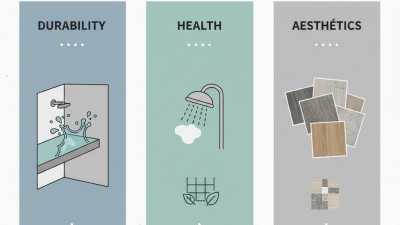
Selecting the right moisture-resistant panels can significantly affect the overall aesthetic and function of a bathroom. These panels come in various textures and colors, allowing homeowners to maintain their design vision while enhancing moisture control. However, it's essential to reflect on the installation process. Even the best materials can fail if not installed correctly. Many homeowners overlook this aspect, leading to costly repairs.
As you navigate your options, consider both expert advice and personal needs. Not all moisture-resistant panels are created equal. Doing your research will help you avoid common pitfalls. Informed decisions can lead to a stunning, long-lasting bathroom that remains beautiful even in the face of humidity.
Understanding Moisture Resistant Panels and Their Benefits
Moisture resistant panels are crucial for bathrooms. They provide a barrier against mold and moisture. According to a report by the National Association of Home Builders, homes with moisture-resistant materials have a 30% lower risk of mold growth. This is significant for those living in humid climates.
These panels come in various materials, like fiberglass and vinyl. Each type offers unique advantages in terms of durability and ease of maintenance. Studies indicate that fiberglass panels can endure humidity levels exceeding 90% without warping. This longevity is vital in a moisture-heavy environment like a bathroom.
While these panels boast many benefits, a downside exists. Improper installation can lead to gaps. These gaps negate the panels' protective qualities. It's essential to ensure correct sealing to maintain effectiveness. Regular inspections can help identify wear or water damage over time. Being proactive can save homeowners from costly repairs.
Moisture Resistant Panels For Bathrooms - Understanding Moisture Resistant Panels and Their Benefits
| Feature |
Description |
Benefits |
| Water Resistance |
Materials specially designed to withstand high humidity and moisture levels. |
Prevents mold and mildew growth, ensuring a cleaner environment. |
| Durability |
Built to last, minimizing wear and tear even in wet conditions. |
Reduces the need for frequent repairs or replacements. |
| Easy Maintenance |
Smooth surfaces that can be easily cleaned without damaging the material. |
Saves time and effort in cleaning and upkeep. |
| Aesthetic Variety |
Available in various colors, textures, and designs to suit bathroom styles. |
Enhances the visual appeal of the bathroom while providing functionality. |
| Cost-effectiveness |
Competitive pricing for long-lasting solutions. |
Offers substantial savings over time through lower maintenance and replacement costs. |
Types of Moisture Resistant Panels Suitable for Bathrooms
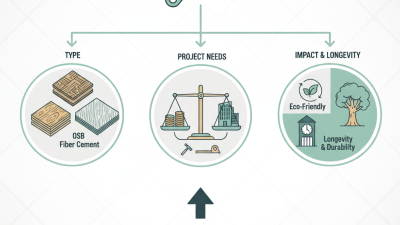
When selecting moisture-resistant panels for bathrooms, it's vital to know the various types available. These panels play a crucial role in preventing mold and moisture damage. Common types include PVC panels, fiberglass panels, and cement board. Each type offers unique benefits and potential drawbacks.
PVC panels are lightweight and easy to install. They come in various designs and finishes, which can enhance your bathroom's aesthetic appeal. However, they may not be as durable as other options, especially in high-traffic areas. Fiberglass panels are known for their strength and moisture resistance. They require proper installation to avoid seams that can trap water. On the other hand, cement board is robust and can handle heavy tiles, but it can be challenging to work with.
Choosing the right panel requires careful consideration of your bathroom's environment. Take note of your bathroom's humidity levels and the type of finishes you prefer. Many homeowners find it helpful to consult with professionals to ensure the best choice. Remember, not every panel suits every situation. Reflect on your choices, and ensure they align with your specific needs.
Moisture Resistant Panel Types and Their Popularity in Bathrooms
Installation Techniques for Moisture Resistant Panels
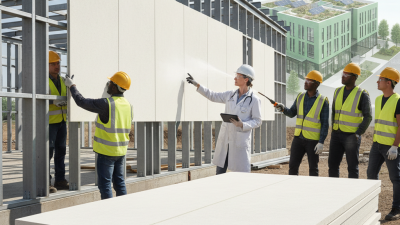
When installing moisture-resistant panels in bathrooms, proper techniques are crucial. The panels should be secured tightly to prevent moisture seepage. According to the Construction Specifications Institute, using a clean, level surface enhances adhesion, ensuring longevity. Caulking the edges with high-quality silicone sealant can also prevent water intrusion.
It’s vital to consider the layout of your panels. Misalignment can result in gaps that may harbor mold and mildew. Always measure twice before cutting. The National Kitchen and Bath Association reports that proper installation reduces maintenance costs by 30%. This statistic highlights the financial benefits of effective practices.
Tips: Ensure that you select panels specifically designed for wet environments. Regularly inspect the seams for signs of wear. It’s also wise to keep your bathroom well-ventilated during and after installation. Remember that even minor oversights in installation can lead to significant issues down the line.
Maintenance Tips for Moisture Resistant Bathroom Panels
When it comes to maintaining moisture-resistant panels in bathrooms, regular cleaning is essential. Use a soft cloth and mild detergent to wipe surfaces. Avoid harsh chemicals; they can damage the finish. Inspect panels for any signs of wear or damage. Small cracks can lead to bigger problems if ignored.
Proper sealing is crucial as well. Ensure edges and seams are sealed correctly to prevent moisture penetration. Periodically check for mold or mildew growth, particularly in corners. Ventilation plays a key role in keeping panels in good condition. Use exhaust fans or open windows to reduce humidity levels.
Lastly, keep in mind that even moisture-resistant panels can deteriorate over time. Periodic assessments of their condition are necessary. Replace panels showing significant signs of damage. A thoughtful approach to maintenance can extend the lifespan of these materials and ensure a healthy bathroom environment.
Common Mistakes to Avoid When Choosing Panels for Bathrooms
When selecting moisture-resistant panels for bathrooms, it’s easy to make costly mistakes. Many overlook the importance of durability. Not all panels handle humidity well. Choosing low-quality materials can lead to mold and rot, compromising not just aesthetics, but safety too.
Tip: Always check the materials' resistance to moisture. This can prevent expensive repairs in the future. Look for panels labeled as water-resistant or suitable for high-humidity areas. Understanding the construction process is essential. Some panels may seem sturdy but can warp over time due to moisture exposure.
Another common error is neglecting the installation process. Incorrectly installed panels can lead to gaps where water can accumulate. This can create a breeding ground for mold. Consider hiring professionals if you are uncertain about the installation.
Tip: Research professional installers. Their expertise can save you time and money. A poorly installed panel may require early replacement, causing stress and inconvenience. Always think about long-term benefits over short-term savings when selecting moisture-resistant panels for your bathroom.



 Environmental Building Board
 Fire-proof Board
 Sound Resistance
 Termite Resistance