How to Choose the Right Sheathing Panel for Your Project?
Choosing the right sheathing panel is crucial for any construction project. According to a recent report by the National Association of Home Builders (NAHB), 70% of building professionals believe that proper sheathing boosts structural integrity. This decision affects insulation, moisture resistance, and overall durability.
Industry expert Dr. Emily Thorne emphasizes, "The choice of sheathing can make or break a project's success." Her insights underline the importance of selecting materials that align with specific building needs. For instance, OSB panels can be cost-effective, but may lack the moisture resistance of plywood in certain climates.
Despite the wealth of options available, many builders still face challenges. The variety of materials and thicknesses can be overwhelming. It's essential to balance cost with performance. As projects evolve, reassessing panel choices is often necessary, reflecting a commitment to best practices in construction.
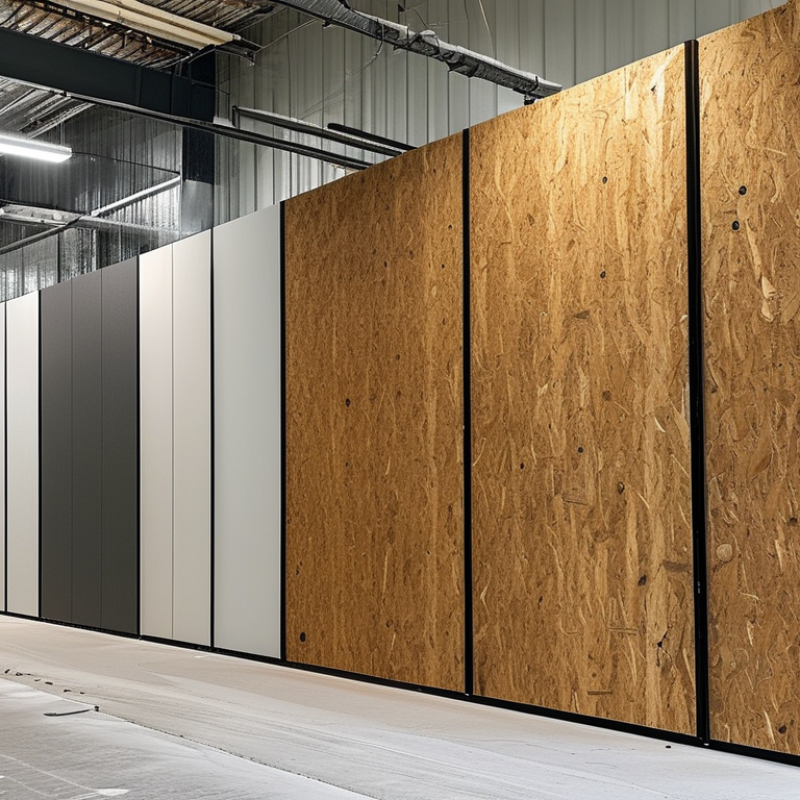
Factors to Consider When Selecting Sheathing Panels
Choosing the right sheathing panel for your project involves several critical factors that can influence performance and durability.
One major aspect is the climate of the location. Different materials react uniquely to heat, moisture, and cold. For instance, panels that perform well in humid areas may not be suitable for dry climates. Incorrect choices could lead to significant problems.
Another important consideration is the structural requirements of your project. Load-bearing needs dictate the thickness and type of sheathing material.
A lightweight structure may only need thinner panels, while a heavier build requires robust options. However, balancing weight with insulation can be tricky. Overly heavy panels might compromise insulation properties and lead to higher energy costs.
Additionally, understanding the installation process is vital. Some panels require special tools or expertise to install correctly. This could impact your project timeline and budget. It’s essential to assess your skills or hire professionals. Ultimately, the best choice aligns with the distinct demands of your project, even if that process feels overwhelming at times. Making informed decisions now can prevent costly mistakes later.
Types of Sheathing Panels Available on the Market
When selecting a sheathing panel for construction, understanding the available types is crucial. The most common varieties include plywood, oriented strand board (OSB), and fiberglass panels. Each type has unique characteristics that influence structural performance and cost. According to recent data from the American Wood Council, plywood offers superior resistance to moisture and is often preferred for areas exposed to harsh weather. However, OSB has gained popularity due to its cost-effectiveness and ease of installation.
Plywood panels are made from layers of wood veneer, providing strength and durability. They excel in applications where weight and load-bearing capacity matter. Conversely, OSB constructs using compressed wood strands. This makes it a lighter and more affordable choice. However, it may not always perform as well under extreme conditions. A study from the National Association of Home Builders indicates that OSB is almost 20% cheaper than plywood, which can reduce project costs significantly.
Fiberglass sheathing, although less common, is suitable for moisture-prone environments. It offers excellent insulation properties and is resistant to mold. Yet, it may lack the structural integrity of plywood or OSB. This variation necessitates careful consideration to avoid potential weaknesses in roofing or wall systems. Ultimately, the choice of the right sheathing panel should reflect not only budget constraints but also longevity and application requirements.
Evaluating Performance Characteristics of Sheathing Materials
Choosing the right sheathing panel is crucial for the success of your construction project. Performance characteristics of sheathing materials can significantly influence the outcome. For instance, the insulation value, moisture resistance, and structural integrity are essential factors. According to the American Plywood Association, OSB typically offers a high strength-to-weight ratio, making it an effective choice for low-rise structures.
Moisture resistance is another critical parameter. A report from the Forest Products Laboratory indicates that certain sheathing materials, like plywood, can withstand environmental challenges better than many alternatives. However, using plywood requires proper sealing and maintenance to optimize its lifespan. This vulnerability raises questions about long-term durability, necessitating careful planning according to your local climate conditions.
The sheathing's ability to resist fire is often overlooked. Materials with a higher fire rating can help mitigate potential hazards. Industry data suggests that mineral-based boards often achieve higher ratings than traditional wood-based products. Yet, these may not always be the lightest or the most cost-efficient options available. Understanding the unique demands of your project is key to making a well-informed choice.
How to Choose the Right Sheathing Panel for Your Project? - Evaluating Performance Characteristics of Sheathing Materials
| Material Type |
R-Value (Thermal Resistance) |
Moisture Resistance |
Fire Rating |
Sound Insulation |
Cost per Square Foot |
| Plywood |
1.25 - 1.5 |
Moderate |
Class B |
Good |
$0.50 - $1.00 |
| OSB (Oriented Strand Board) |
0.9 - 1.2 |
Moderate |
Class C |
Fair |
$0.40 - $0.80 |
| Fiber Cement Board |
1.0 - 1.5 |
Very High |
Class A |
Good |
$1.00 - $1.50 |
| Gypsum Board |
0.5 - 0.6 |
High |
Class A |
Excellent |
$0.30 - $0.70 |
Understanding Installation Requirements for Different Sheathing Panels
When selecting sheathing panels, installation requirements significantly impact your project’s success. Different panels, such as plywood, OSB, and fiberglass, each have specific needs. For instance, plywood requires careful spacing for nails or screws to ensure stability. In contrast, OSB panels might need additional considerations for humidity levels during installation. Understanding these nuances is vital for lasting results.
Moreover, it’s essential to consider the proper orientation of sheathing panels. Panels installed with the grain direction running vertical may provide better structural integrity. Improper alignment can lead to weak walls. Additionally, the choice between exterior and interior sheathing also matters. Exterior panels often need waterproofing, whereas interior panels might require less weather resistance.
Installers should also reflect on local building codes. Not all projects are the same, and local requirements can dictate specific insulation or moisture barriers. Taking time to fully understand your installation environment makes a significant difference. Mistakes in sheathing installation can lead to costly repairs later, affecting both safety and functionality. Careful planning and knowledge are key assets for a successful installation process.
Cost Analysis: Budgeting for Sheathing Panel Choices
When budgeting for sheathing panels, understanding costs is essential. The type of panel selected can heavily influence overall project expenses. For instance, plywood sheathing averages around $15 per sheet, whereas oriented strand board (OSB) is about $10. These costs can vary significantly based on the region and market demand.
While plywood may offer durability, its higher price can strain a limited budget. On the other hand, OSB, being cost-effective, may require careful evaluation for durability and moisture resistance. A report by the Construction Industry Research Board shows a 20% price increase for OSB last year, causing many contractors to rethink their choices.
Another factor in the cost analysis involves labor expenses. While OSB panels are lighter and easier to handle, installation time may differ for various materials. Understanding the implications of both material costs and labor can avoid budget overruns. However, consider potential long-term savings from investing in higher-quality sheathing. Near-term savings can lead to higher repair costs later, prompting the need for thoughtful choices.
Cost Analysis of Sheathing Panels
This chart compares the costs of various sheathing panel options to help you budget effectively for your project. The data represents average prices per square foot for different types of sheathing panels.



 Environmental Building Board
 Fire-proof Board
 Sound Resistance
 Termite Resistance