How to Choose the Best Fire Rated Mgo Board for Your Needs?
Choosing the right fire-rated Mgo board can be challenging. This is a critical decision for both residential and commercial projects. Understanding your specific needs is essential.
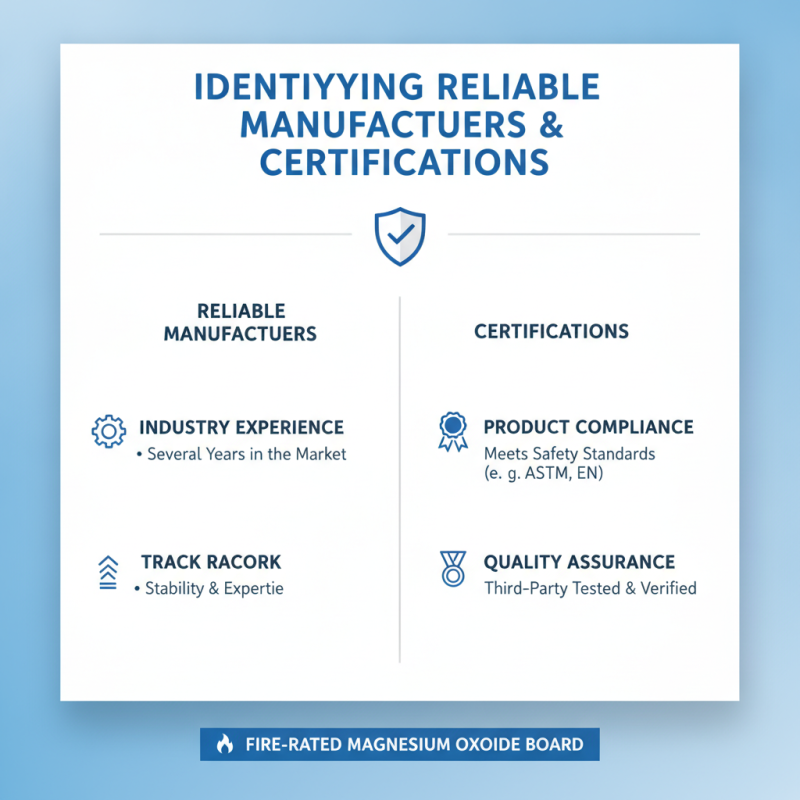
Fire-rated Mgo boards offer fire resistance, thermal insulation, and moisture resistance. These boards are often used in walls, ceilings, and floors. Their unique properties provide enhanced safety in your building. However, not all Mgo boards are created equal. Different manufacturers have varied standards and certifications.
When exploring options, consider the board's fire rating and the installation environment. Assess your project requirements carefully. There are many choices in the market, and misinformation can lead to poor selections. You may not always find the best option at first glance. Doing thorough research is vital. Remember, a wise choice now can protect your space for years to come.
Understanding Fire Rated MgO Board Characteristics
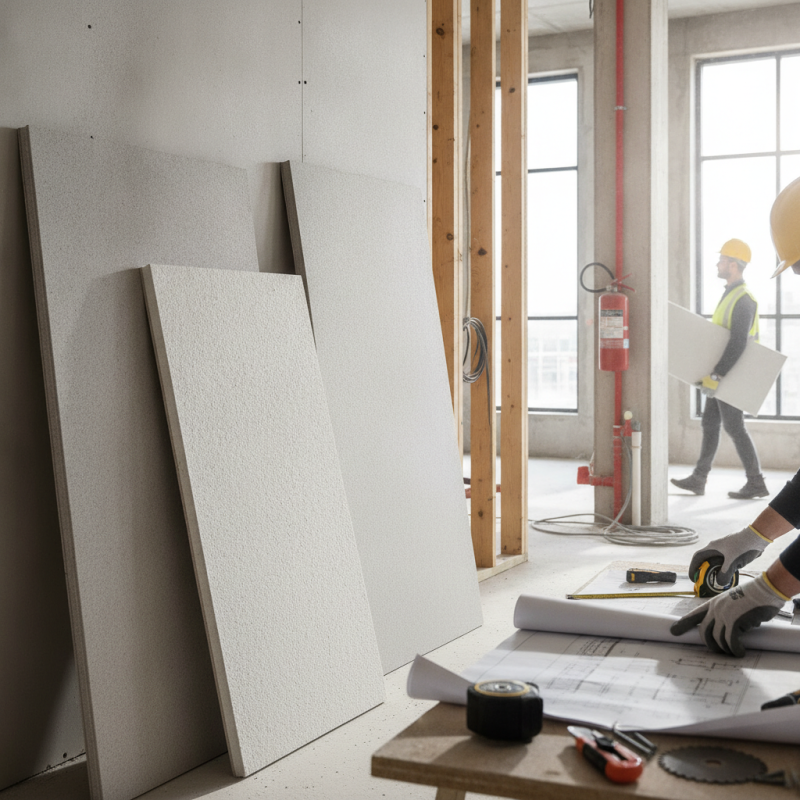
When selecting a fire rated MgO board, understanding its characteristics is crucial. These boards are made from magnesium oxide, a material known for its excellent fire resistance. They can withstand high temperatures, making them suitable for various applications. The thickness of the board often plays a significant role in its fire rating. Thicker boards generally offer better protection, but they may also increase the overall weight of the structure.
Another key characteristic is water resistance. While MgO boards are not entirely waterproof, they perform well in humid environments. This property is essential for areas prone to moisture, where traditional materials might fail. Additionally, the impact resistance of these boards should not be overlooked. While MgO boards are durable, they can chip or crack if not handled properly during installation.
It's important to consider the board's compatibility with other materials. Some boards may not adhere effectively to certain finishes, leading to potential issues in long-term use. Thorough research and consulting with professionals can help avoid pitfalls in the selection process. Understanding the nuances of fire rated MgO board characteristics can lead to more informed decisions, ultimately ensuring safety and efficiency in your projects.
Evaluating Fire Resistance Ratings for Your Specific Requirements
When evaluating fire resistance ratings, consider the specific needs of your project. Not all spaces require the same level of protection. For example, a commercial building may face stricter fire codes compared to a residential area. Assess the potential fire hazards in your environment. This understanding helps you select the right material.
Fire rated Mgo boards come with various ratings. The most common ratings you might find are 1-hour, 2-hour, and even 3-hour ratings. A 1-hour rating offers basic protection, suitable for non-critical areas. For higher safety, look at 2-hour or 3-hour boards. However, these options can be more expensive. Reflect on whether the investment matches your fire safety needs.
Don't overlook installation factors. Proper installation is crucial for achieving the desired fire resistance. Even the best material can fail if poorly installed. Assess your team's skills and experience with these materials. Sometimes, hiring a professional makes sense. This consideration can ultimately save you time and ensure safety.
Comparing Different Thickness and Density Options
When selecting a fire-rated magnesium oxide (Mgo) board, thickness and density are critical factors. A thinner board may seem sufficient, but many projects benefit from a thicker option. Data from industry reports show that Mgo boards between 10 mm to 15 mm are increasingly popular for fire resistance. These thicker options provide enhanced performance in high-temperature environments.
Density plays a significant role in the strength and durability of Mgo boards. Higher density boards generally offer better fire resistance and structural integrity. Studies indicate that boards with a density above 1,200 kg/m³ can withstand higher temperatures longer than lighter versions. However, heavier boards may present challenges, particularly during installation. This aspect often leads to trade-offs between ease of handling and fire protection.
Choosing the right thickness and density also means considering the specific application. For example, interior applications may not require the stringent fire ratings needed for exterior walls. Balancing these needs, along with potential weight constraints, can be a complex decision. Industry professionals often recommend carefully reviewing project specifications to determine the optimal board choice.
How to Choose the Best Fire Rated Mgo Board for Your Needs? - Comparing Different Thickness and Density Options
| Thickness (mm) |
Density (kg/m³) |
Fire Rating (hours) |
Applications |
| 6 |
800 |
1 |
Interior Walls, Ceilings |
| 12 |
1000 |
2 |
Partition Walls, Floorboards |
| 15 |
1200 |
3 |
External Walls, Fire Rated Barriers |
| 18 |
1400 |
4 |
High-Rise Buildings, Industrial Applications |
| 25 |
1600 |
5 |
Critical Infrastructure, Fire Safety Solutions |
Assessing Installation Methods and Environmental Considerations
When choosing a fire-rated MGO board, installation methods and environmental considerations significantly impact performance. Different installation techniques can affect the board's effectiveness in preventing fire hazards. It’s essential to follow manufacturer guidelines meticulously. Each installation method demands specific tools and expertise, influencing the overall safety.
Incorporating environmental factors into your choice is crucial. MGO boards are often better for areas with moisture because they resist mold and mildew. Consider the surrounding climate. If you're in a humid area, ensure the board provides adequate water resistance. Evaluate how installation might affect air quality. Some adhesives release volatile organic compounds (VOCs), impacting indoor air safety.
Tips for effective installation:
- Always consult with a professional before starting.
- Proper measurements can prevent waste and ensure safety.
- Monitor the drying time of adhesives closely. Rushing could lead to weak joints.
- Lastly, assess the local building codes. Compliance is vital for safety and insurance.
Remember, the right installation can make a difference in performance.



 Environmental Building Board
 Fire-proof Board
 Sound Resistance
 Termite Resistance