Best Soundproof Boards for Global Buyers in 2026?
As the demand for effective soundproofing solutions grows, the market for soundproof boards has expanded significantly. The global soundproofing market is projected to reach USD 29.7 billion by 2026, according to a recent industry report. This growth is fueled by an increased focus on acoustic comfort in residential and commercial environments. Soundproof boards are essential for minimizing noise pollution and enhancing sound quality.
In 2023, the use of soundproof boards has surged by 25% in the construction sector. Builders and architects are increasingly prioritizing acoustic insulation in their designs. Yet, not all soundproof boards are created equal. Consumers face challenges in selecting the best products that meet their needs, often leading to trial and error.
Some soundproofing materials may offer limited performance. It is crucial to research and understand the specific acoustic properties of each option. Buyers should consider their use cases carefully before choosing. Ultimately, finding the right soundproof board involves balancing cost, efficacy, and environmental factors. The path to achieving optimal sound insulation is fraught with nuances that require thoughtful exploration.
Understanding Soundproof Boards: A Comprehensive Overview
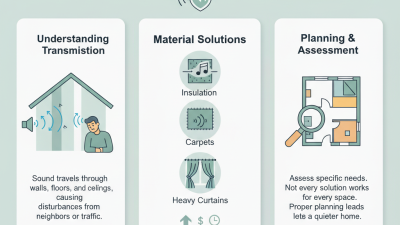
Soundproof boards are essential in various applications, from studios to residential spaces. Their primary purpose is to reduce sound transmission, enhancing acoustics. According to a report by the Acoustical Society, effective soundproofing can lower noise levels by up to 30 decibels, creating a more conducive environment for work or relaxation.
Understanding the composition and density of soundproof boards is vital. High-density materials like mass loaded vinyl are often effective. The ideal thickness can vary, but boards around 2 inches thick tend to perform better in sound absorption tests. The performance of these boards largely depends on their installation and positioning within a space. Users often overlook how sound waves travel. Properly placing boards can significantly enhance their effectiveness.
While soundproof boards show promise, they are not a one-size-fits-all solution. Some users report mixed results. Inadequate coverage or improper installation can lead to gaps in soundproofing effectiveness. Moreover, environmental factors, such as room shape and existing décor, can influence outcomes. Hence, it is crucial to evaluate individual needs carefully before making a choice in 2026.
Factors to Consider When Choosing Soundproof Boards in 2026
When choosing soundproof boards in 2026, there are several vital factors to consider. The material's density greatly affects its sound attenuation capabilities. Higher density materials typically block more sound. Look for options that offer a blend of sustainability and performance. Some eco-friendly materials can also provide effective sound insulation.
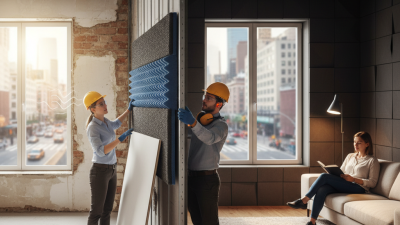
Don't overlook the installation process. Complexity can vary widely. Boards that require professional installation might add to your overall costs. DIY-friendly options could be appealing, but ensure they meet your soundproofing needs. It's essential to assess the space where they'll be used. Some areas may require specialized types of boards for maximum effectiveness.
Consider the aesthetics as well. Soundproof boards come in various colors and designs. You want them to blend seamlessly with your décor. Not all boards perform equally in residential and commercial settings. Testing and reviews can help determine which boards suit your environment.
Evaluate the manufacturer's credibility. Researching their expertise and consumer feedback can provide insights into quality. Relying solely on promotional materials might lead to disappointment. Always be proactive about asking questions. Soundproofing can be a significant investment. Ensuring you're making an informed choice is crucial.
Best Soundproof Boards for Global Buyers in 2026
This chart displays the soundproof effectiveness of different types of soundproof boards measured in decibels (dB). As buyers consider options in 2026, key factors like material composition significantly impact their ability to reduce noise.
Top Soundproof Board Materials and Their Effectiveness
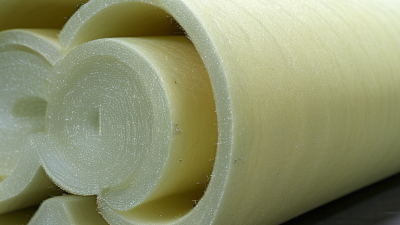
Soundproof boards come in various materials, each with unique effectiveness. Research indicates that materials like mineral wool and acoustic foam can significantly reduce sound transmission. For instance, mineral wool can achieve an average sound reduction of 50% when properly installed. This makes it a popular choice for both residential and commercial spaces aiming for quieter environments.
Acoustic foam, on the other hand, is known for its ability to absorb sound waves effectively. Reports suggest that this material can reduce sound reflection by up to 80%, making it ideal for recording studios or home theaters. However, while these materials are effective, their performance can depend on installation techniques and space design. Improper application can lead to less than optimal results.
In considering soundproofing solutions, reflect on your specific needs. Different environments may require distinct approaches. For example, if you are targeting heavy bass sounds, denser materials might be necessary. Always test samples before full installation to gauge which material meets your expectations. Additionally, consider layering different materials for enhanced soundproofing. This technique often yields better results, but it requires careful planning and analysis of your space’s acoustics.
Comparative Analysis of Leading Soundproof Board Brands
When exploring the soundproof board market, various brands offer unique features. Each brand has its own strengths. Some focus on eco-friendliness, while others emphasize acoustic performance. Identifying what fits your needs is crucial.
For instance, certain boards utilize recycled materials. They provide decent sound insulation while being environmentally responsible. Competitors may offer higher noise reduction ratings. However, their materials could be less sustainable. Balancing performance and sustainability can be challenging.
Durability is another important factor. Some boards may wear down faster due to lower quality. Consider the installation process as well. Complicated setups can deter buyers, even with great performance. Seek reviews that highlight users' experiences. Their insights will guide your decision-making process. Reflecting on various aspects will ultimately lead to a choice that fulfills your specific criteria.
Future Trends in Soundproofing Technology and Market Outlook
Soundproofing technology is evolving rapidly, driven by increasing urbanization and noise pollution concerns. By 2026, the demand for effective soundproof boards is expected to rise significantly. The global soundproofing market is projected to grow at a CAGR of around 5.2%, reaching an estimated value of $6.5 billion. This shift indicates a stronger focus on both commercial and residential applications.
Recent advancements include lightweight materials that provide greater sound absorption. These materials are also eco-friendly, addressing sustainability issues. However, challenges remain in material affordability and performance consistency. Some innovations may not deliver expected results, which can be frustrating for consumers.
When selecting soundproof boards, consider the Noise Reduction Coefficient (NRC) rating. A higher NRC indicates better sound absorption. Look for products that use recycled materials, as they often perform well and contribute to environmental sustainability. However, not all recycled options may meet strict soundproofing standards. It’s essential to test and review products before making a purchase decision.



 Environmental Building Board
 Fire-proof Board
 Sound Resistance
 Termite Resistance