Best Glass Wool Board Solutions for Global Buyers Today?
In the rapidly evolving construction industry, the demand for effective insulation solutions is ever-increasing. A key player in this sector is the Glass Wool Board. According to a recent report by Insights Research, the global market for glass wool insulation is projected to reach $13.3 billion by 2027, reflecting a CAGR of 6% during the forecast period. This growth underscores the importance of choosing high-quality products for insulation needs.
Industry expert Dr. John Peterson points out that "Glass Wool Board offers exceptional thermal performance and sound insulation." His insights highlight the effectiveness of glass wool as a reliable choice for both residential and commercial applications. Despite its advantages, it is crucial for buyers to consider installation challenges and environmental impact while selecting the right products.
As the market expands, it’s essential to stay informed about innovations and best practices in glass wool technology. Buyers should not only focus on cost but also on durability and sustainability. Reflecting on past choices can guide future purchases in this dynamic landscape. Understanding these aspects will help ensure the best outcomes in insulation projects.
Understanding Glass Wool Boards: Composition and Properties
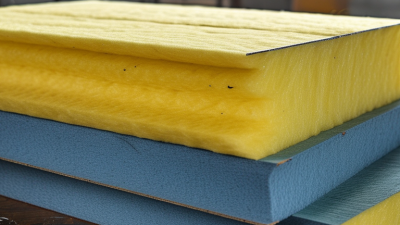
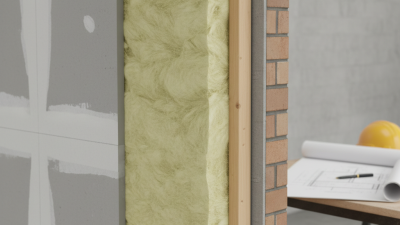
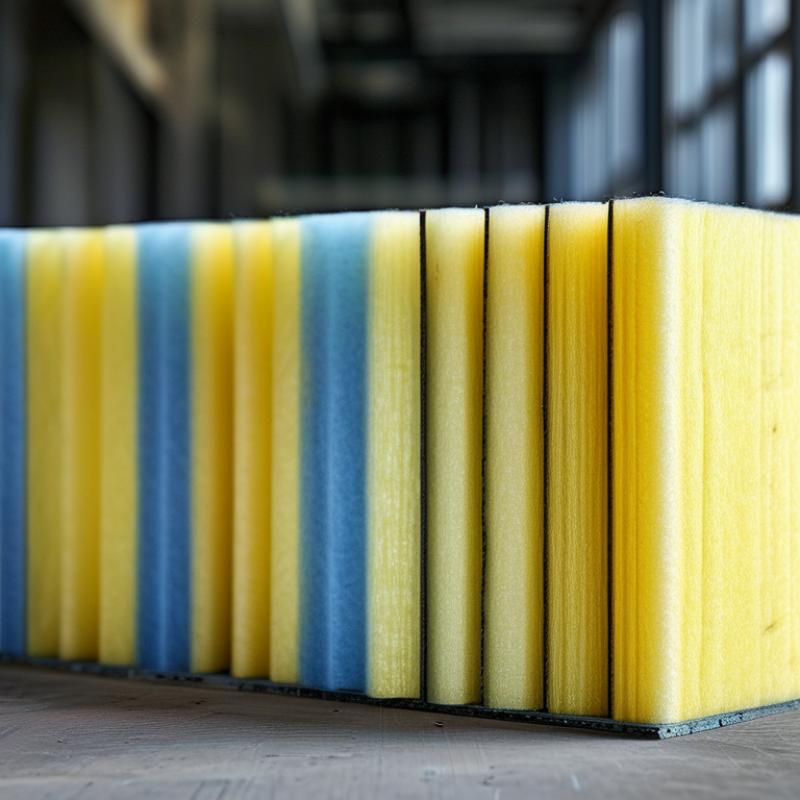
Glass wool boards have become a vital solution in modern building practices. Composed of fine glass fibers, they offer excellent insulation properties. Their lightweight nature enhances ease of installation, making them suitable for both residential and commercial applications. The boards are non-combustible and resistant to mold, contributing to improved safety and durability.
The diverse composition of glass wool boards plays a crucial role in their performance. They typically contain silica, which enhances thermal resistance. When installed correctly, they can achieve low thermal conductivity values. This not only helps in energy conservation but also reduces heating and cooling costs. However, achieving desired effectiveness relies on proper application techniques, which some users overlook.
Another noteworthy characteristic is sound absorption. Glass wool boards effectively dampen noise, making them ideal for use in offices and residential spaces. Yet, many buyers may underestimate the importance of this feature. Choosing the right thickness and density is essential for optimal soundproofing. This aspect often requires careful consideration and consultation with professionals to avoid common pitfalls.
Key Benefits of Using Glass Wool Boards in Construction
Glass wool boards have emerged as a preferred choice in construction due to their array of benefits. According to industry reports, these boards have excellent thermal insulation properties, with a thermal conductivity rating as low as 0.035 W/m·K. This efficiency can lead to significant energy savings in buildings, reducing heating and cooling costs by up to 30%. The lightweight nature of glass wool boards also simplifies transportation and installation, making them a practical option for builders worldwide.
In addition to thermal performance, glass wool boards provide excellent sound insulation. They can reduce sound transmission by up to 50 dB in many applications. This feature is particularly valuable in urban environments where noise pollution is a concern. Moreover, glass wool is non-combustible and complies with fire safety standards, adding an extra layer of protection. However, one must consider the environmental impact of the manufacturing process. While glass wool is recyclable, the energy consumed during production is significant and should be addressed in sustainability discussions.
When choosing glass wool boards, awareness of moisture control and potential degradation over time is crucial. High humidity can affect their performance, leading to reduced insulation effectiveness. Regular checks and maintenance practices can mitigate these risks. Overall, while glass wool boards offer significant advantages, builders must approach their use thoughtfully, balancing performance benefits with environmental and longevity considerations.
Top Manufacturers and Suppliers of Glass Wool Boards Worldwide
The global demand for glass wool boards is rising due to their excellent thermal insulation properties. They are widely used in construction and industrial applications. According to a recent report, the glass wool market is expected to grow at a CAGR of 5.6% from 2023 to 2030. This growth signals a robust demand from various sectors, such as HVAC, construction, and automotive.
In terms of manufacturers, many companies specialize in producing high-quality glass wool boards. These companies focus on sustainability and energy efficiency. Research shows that about 70% of consumers prioritize eco-friendly materials when making purchases. This shift pushes manufacturers to innovate continuously. While several suppliers have excelled in R&D, not all can meet the changing demands consistently.
Quality control remains a critical concern. Reports indicate that subpar products can lead to increased energy costs and safety issues. Buyers often face challenges in selecting the best suppliers. Evaluating a manufacturer’s certifications and product range is essential. Transparency in the production process builds trust. Transparency can also be a challenge, as some suppliers do not disclose all materials used. Therefore, making informed choices is imperative for global buyers today.
Innovative Applications of Glass Wool Boards in Various Industries
Glass wool boards have become key materials across numerous industries due to their unique properties. Their application in the construction sector is particularly noteworthy. They provide excellent thermal insulation, making buildings more energy-efficient. This can lead to significant cost savings in heating and cooling. Moreover, glass wool boards are lightweight, which simplifies transportation and installation. However, ensuring optimal installation techniques is crucial. Poor installation can lead to thermal bridges, reducing their overall effectiveness.
In the automotive industry, glass wool boards play a crucial role in noise reduction. The absorption properties of glass wool help minimize vibrations within vehicles. This enhancement leads to a quieter cabin experience for passengers. On a different front, the renewable energy sector has found innovative uses for these boards. They are employed in the manufacturing of wind turbines to provide better insulation and reduce weight. Still, challenges exist in scaling these applications. Not all manufacturing processes guarantee the same quality, making consistency important.
Innovation continues to drive the use of glass wool boards. Industries are exploring new formulations and composite structures. These advancements aim to improve performance and sustainability. There is room for reflection on how these materials can be better optimized. Collaboration between engineers and manufacturers is essential to tackle challenges in application and recycling. While glass wool boards show great promise, continuous improvement remains a priority.
Guidelines for Selecting the Right Glass Wool Board for Your Needs
Choosing the right glass wool board is essential for various applications. When selecting, consider thermal insulation and sound absorption properties. Glass wool boards can vary in density and thickness, which directly affects their insulation performance. Look for boards that meet your specific requirements for energy efficiency and acoustic control.
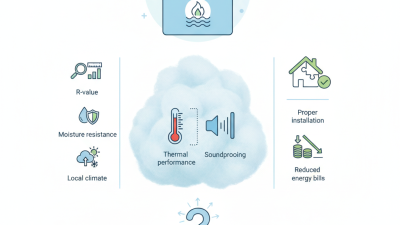
Tips for selection: check the board's thermal resistance value (R-value). Higher R-values indicate better insulation. Also, evaluate fire resistance ratings. This ensures safety in case of fire and compliance with building codes.
Another aspect to reflect on is the sustainability of the product. Many buyers overlook environmental impact. Investigate if the glass wool board is made from recycled materials and if it's recyclable after use. This consideration can enhance your project’s sustainability profile while also promoting energy efficiency. Select certifications that verify eco-friendly attributes to ensure long-lasting value.



 Environmental Building Board
 Fire-proof Board
 Sound Resistance
 Termite Resistance